Focused arrival windows
Useful updates and clear arrival timing.

TPO Roof Leak Repair in Conroe is what we do every week on flat and low-slope roofs across Montgomery County. If your TPO membrane is separating at a seam, pooling water near a vent, or dripping onto a ceiling tile, we find the entry point with infrared imaging and moisture meters, then seal it with heat-welded membrane and butyl tape. Same-day emergency TPO roof leak repair Conroe TX is available.
Useful updates and clear arrival timing.
Review the approach and price before deciding.
Equipped vehicles and respectful cleanup.
Neighbors serving neighbors with follow-through.
Every TPO repair starts with a real diagnosis and ends with a documented weld. Here is what is covered on a standard visit. If we find something outside this scope, like rotted decking or a failed drain, we tell you before we touch it and quote it separately.
Moisture meter readings across the suspect area, an infrared thermal imaging camera scan of the ceiling below, and a controlled water hose test to confirm the entry point. You get the readings in writing, not just a verbal guess.
We cut a patch from matching 60-mil TPO membrane, clean and prep the substrate, and hot-air weld the patch with a seam roller. The weld is tested by hand probe before we call it done. No roof cement smeared over a split seam.
Pipe boots, conduit, and HVAC curbs get new collars and butyl tape, then a welded TPO skirt. These are the most common leak points on Conroe flat roofs, so we treat every penetration on the repair path, not just the one that failed.
Wall flashing, parapet terminations, and curb details get a new termination bar and fresh roof sealant, plus a welded membrane skirt where the old one pulled loose. This closes the second most common leak path after seams.
We re-run water over the repaired area and confirm no moisture appears below. Final moisture meter readings and two weld photos go into your file the same day, which is useful for insurance claims and property records.
Share what is happening and receive a clear next step from the local team.
TPO Roof Leak Repair in Conroe is the process of locating water entry on a thermoplastic polyolefin membrane roof and restoring the waterproof layer with heat-welded patches, seam welds, and sealed penetrations. TPO is a single-ply white membrane common on Conroe commercial buildings, retail centers, and modern home additions. Leaks start at the weakest points: seam separation, vent boot leak, pipe penetration, or flashing leak at a wall or curb. We test with a water hose test kit, confirm with a moisture meter, then repair the exact spot instead of coating the whole roof.
Conroe sits in a hot, humid pocket of Southeast Texas where summer surface temps on a white TPO membrane push past 150 degrees and afternoon thunderstorms dump two inches in an hour. That cycle works seams loose. Most of the Conroe TPO roof leak repair service calls we run start as a ceiling water stain near a rooftop unit or an attic moisture reading after a storm. If you have been searching TPO roof leak repair in Conroe TX near me, the fix is usually a seam weld and a new termination bar, not a full tear-off.
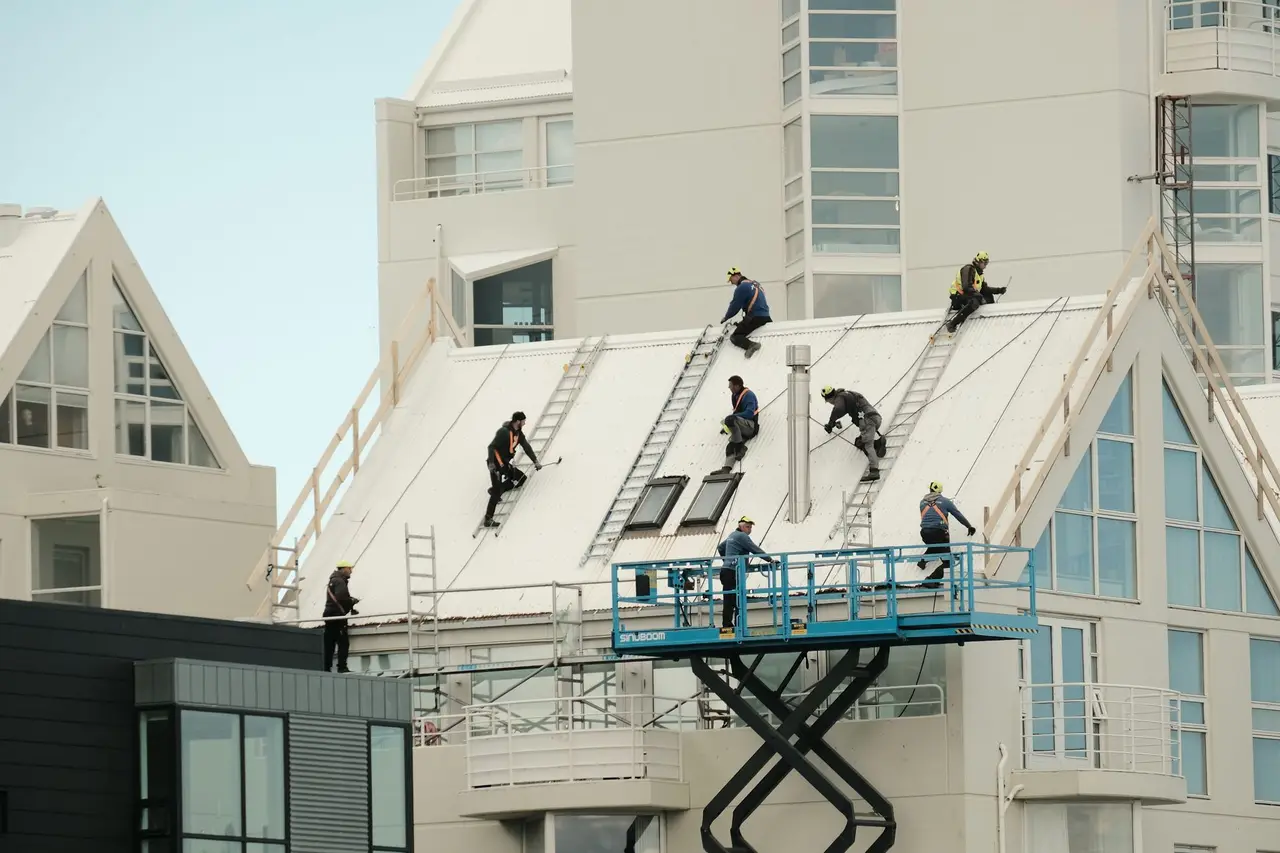
You call (936) 304-3062 and describe where the water shows up. We ask three questions: is the ceiling actively dripping, is the roof accessible, and is there a rooftop unit nearby. That tells us whether to dispatch an emergency crew tonight or schedule a daytime inspection. Most calls get a same-day window.
A technician walks the membrane with a moisture meter and scans the ceiling below with an infrared thermal imaging camera. On larger commercial roofs we fly a roof inspection drone first to map ponding water and seam separation. This step takes 30 to 60 minutes and pinpoints the breach.
We isolate the suspect area and run a controlled water hose test kit over the seam, flashing, or penetration. If water appears below within a few minutes, we have our entry point confirmed. No test, no repair, no guessing.
We cut a patch from matching 60-mil TPO membrane, clean the substrate, and hot-air weld it with a seam roller to create a monolithic bond. Pipe boots get a new boot and butyl tape collar; wall terminations get a new bar and roof sealant. A typical repair runs two to four hours.
We re-test the repair with water, take final moisture readings, and photograph the finished weld from two angles. You get those photos plus a written summary the same day. We sweep the roof for screws and scraps so nothing ends up in your parking lot or gutter.
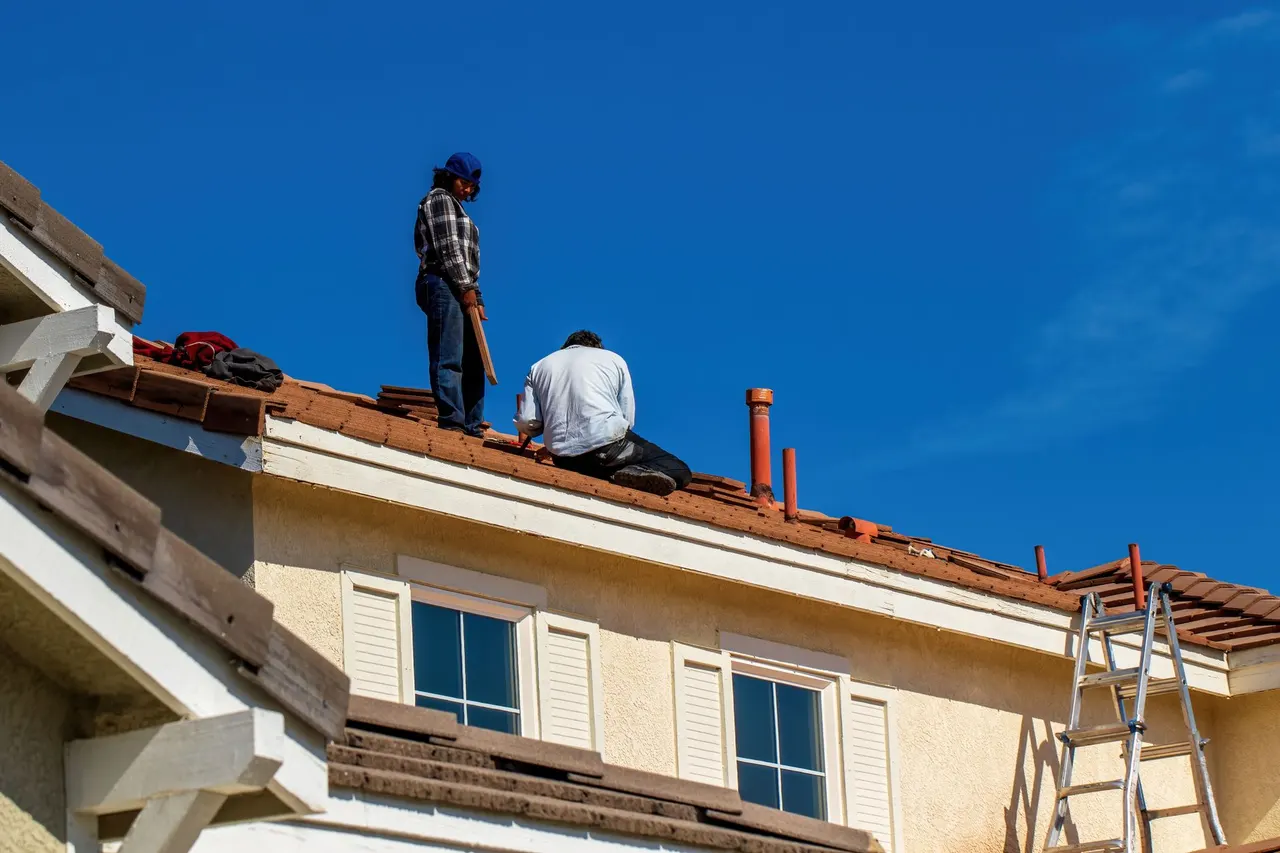
Reads temperature differences on the roof and ceiling to show where water is trapped under the TPO membrane. It finds hidden leaks without tearing the roof open.
Confirms wet insulation and decking with a numeric reading. We record before-and-after numbers so you can see the roof actually dried.
Maps ponding water, seam separation, and storm damage across large commercial roofs in minutes, so we can prioritize repairs instead of walking every square foot.
Bonds TPO membrane patches and seam strips into one continuous sheet. The seam roller presses the weld while it is hot, which is what makes the repair permanent.
Applies controlled water to a suspect seam, flashing, or penetration so we can confirm the entry point before we cut anything.
Keeps our technicians tied off and the ladder stable on every low-slope roof, which is an OSHA requirement and a basic part of doing the job right.
We cut out the failed seam, clean both membrane edges, and weld a new strip of matching TPO with a hot-air welder. This restores the roof to a single sheet rather than relying on a surface coating that fails in a season.
We isolate the suspect area and run water over it in a controlled pattern, watching the ceiling below for the first sign of moisture. This confirms the entry point before any repair begins, which prevents repeat callbacks.
We scan the roof and the ceiling with an infrared thermal imaging camera to map where water has traveled. This is how we find leaks that show up 20 feet from the actual breach.
Where your membrane is a Firestone, Carlisle SynTec, GAF, or Tremco system, we follow that manufacturer's published repair detail so your existing warranty stays valid. We photograph the finished weld for your records.
We inspect within the same day, run a water test on the nearest seams and penetrations, and weld the confirmed breach. If the leak is active, we tarp first and weld once the membrane dries. The drip stops the same day, and you get moisture readings showing the deck is drying. Most customers are back to a dry ceiling within 48 hours.
We inspect the curb flashing and the seams radiating from the unit, which is where 8 out of 10 of these leaks start. We rebuild the curb detail and weld a new membrane collar around the unit base. The stockroom stays dry through the next storm, and the repair is documented for your property manager and insurance file.
We scan the attic and the membrane with an infrared thermal imaging camera to locate the trapped water, then open the suspect seam and repair it with a heat-welded patch. You get a clear answer on where the water was entering, a finished repair, and before-and-after moisture readings you can hand to your real estate agent.
We dispatch 24/7, tarp the opening to stop water entering, and return the next dry day to weld the membrane back down permanently and replace any wet insulation. No equipment damage overnight, and a permanent repair within 48 hours. You get photos of both the tarp and the final weld.
Conroe flat roofs live through a specific cycle: a hot, humid summer that pushes membrane surface temperatures past 150 degrees, then spring and fall storms that drop two inches of rain in under an hour. That expansion and contraction is what opens TPO seams, and it is why we see more seam leaks here than in drier parts of Texas. Most of the buildings we repair are 1990s to 2010s retail centers, warehouses, and home additions with low-slope sections, and many still have original membrane. We work to Montgomery County and Texas building code on every repair, including proper termination heights and drain details. If you need emergency TPO roof leak repair Conroe TX same day, call before noon and we can usually be on the roof that afternoon. Our trucks carry 60-mil TPO membrane, butyl tape, and hot-air welders, so a confirmed seam or boot leak gets fixed on the first visit instead of tarped and rescheduled.
Older commercial buildings with original TPO and modified bitumen roofs. Seam separation and drain leaks are the most common calls here.
Newer retail and office buildings with white TPO membrane. We see ponding water at low spots and failed HVAC curb flashing after heavy storms.
Home additions and porch roofs with small TPO sections. Wall flashing and termination bar failures drive most of the leak calls.
Mixed commercial and residential flat roofs. Vent boot leaks and pipe penetration failures are the most frequent repair we run out here.
Heat cycling expands and contracts the membrane until seams separate. This is the single biggest driver of TPO leaks in Conroe, and it is why we inspect every seam within 20 feet of a confirmed breach.
Fast, heavy rain finds any open seam or flashing gap immediately. It also overwhelms drains and creates ponding that stresses the membrane for days afterward.
Humidity makes it harder to tell a roof leak from condensation on the deck. We use moisture readings and thermal imaging to separate the two before quoting a repair.
Hail bruises TPO membrane and wind peels back terminations. We document damage with a HAAG Certified Inspector so your insurance claim has the evidence it needs.
A 12-foot seam on a 1990s TPO roof had separated and was leaking onto a retail display every time it rained. The property manager had two prior patch attempts with roof cement, both of which failed within a month.
We cut out the failed seam, welded a new 60-mil TPO strip, and water tested the full run. Moisture readings in the insulation dropped from 28 percent to 11 percent over four days. No leaks through the following storm season.
Maintenance: We recommend a seam inspection each spring before storm season and keeping rooftop traffic off the repaired area. A five-minute visual check after any major hail event catches new damage early.
A cracked vent boot on a small commercial TPO roof was sending water down a pipe and staining a ceiling tile 15 feet away. The owner had assumed the leak was at the wall flashing and was ready to approve a much larger repair.
We replaced the boot, added a butyl tape collar, and welded a new TPO skirt around the pipe base. The ceiling dried within a week and the stain stopped growing. Total repair time was under three hours.
Maintenance: Check vent boots and pipe collars once a year, especially after a summer of high UV. A $200 boot replacement prevents a $2,000 ceiling and insulation repair.
A spring storm peeled back 30 feet of TPO membrane over a server room at 11 p.m. Rain was entering the building and the IT rack was at risk. The facilities lead called our 24/7 line.
We tarped the opening within two hours and stopped the water. The next dry day we welded the membrane back down, replaced two wet insulation boards, and water tested the repair. Zero equipment damage and no downtime.
Maintenance: After any wind event above 50 mph, walk the roof and check terminations and edges. Catching a lifted edge before the next storm is the cheapest insurance a flat roof has.
Flat roofs fail at predictable points. Here are the ones we see most often on Conroe TPO systems, and what happens if they are left alone through another storm season.
A split seam lets water straight into the insulation board. Left through one rainy season, the polyiso soaks, the metal deck rusts, and the repair grows from a weld to a deck replacement. We cut out the failed seam, clean both membrane edges, and hot-air weld a new strip of 60-mil TPO into place. The roof returns to a single continuous sheet, and we photograph the weld so you have proof of the repair.
The rubber collar on a vent boot cracks after a few Texas summers. Water runs down the pipe and shows up as a ceiling water stain 15 feet away, which is why so many homeowners misdiagnose the source. We replace the boot, add a butyl tape collar, and weld a new TPO skirt around the pipe base. We also check every other penetration within 20 feet while we are up there, since they age at the same rate.
Standing water for more than 48 hours after a storm stresses seams and grows algae that eats the membrane. It also adds weight to the structure and shortens the life of the whole roof system. We map the low spots with a drone survey, then correct the ones we can with tapered insulation or a new drain detail. Where the slope cannot be fixed economically, we reinforce the seams around the ponding area so the water has nowhere to enter.
Flashing leak at a parapet or HVAC curb lets water behind the membrane, where it travels sideways and shows up far from the actual breach. That makes it one of the hardest leaks to find without thermal imaging. We remove the old termination bar, reseal the counterflashing, and weld a new membrane skirt over the joint. Then we water test the whole run, not just the spot that looked wet, so the fix holds through the next storm.

Our technicians work single-ply membrane roofs daily, from small Conroe retail buildings to apartment complexes in The Woodlands. We hold HAAG Certified Inspector credentials for storm damage assessment, carry OSHA 10 and OSHA 30 safety training, and follow NRCA repair details on every weld. We are a Texas Roofing License holder and work with Firestone, Carlisle SynTec, Tremco, and Sika membrane systems. Every repair is documented with moisture readings and weld photos, so you have a paper trail for insurance or a future sale.
Most TPO roof leak repairs in Conroe run $350 to $1,200 in 2026, with a diagnostic visit around $150 to $250. A single seam weld or pipe boot replacement sits at the low end. Larger repairs that involve insulation replacement, multiple penetrations, or a rooftop unit curb push toward the top. Emergency after-hours work adds a call-out fee. We quote the repair before we start, so you approve the number first.
You want a flat-roof contractor who heat-welds TPO membrane rather than a general roofer who only handles shingles. We work single-ply membrane daily and carry 60-mil TPO, seam rollers, and hot-air welders on the truck. Ask any contractor whether they weld or glue, and whether they document moisture readings. If they cannot answer both, keep calling.
Active leaks can be stopped in the rain with a temporary tarp or a peel-and-stick patch, which we do on 24/7 emergency calls. A permanent heat-welded repair needs a dry membrane, so we schedule that weld for the next dry window, usually within 24 to 48 hours. Never let anyone heat-weld over standing water, because the weld will fail.
A single seam or penetration repair takes two to four hours on site, including the water test and verification. A larger repair with insulation replacement can run a full day. Diagnostic inspection alone is 30 to 60 minutes. We give you a time window when we confirm the appointment and call if anything changes.
Not seeing your question? Our local team can help you understand urgency, scheduling and what to expect.
Ask the local team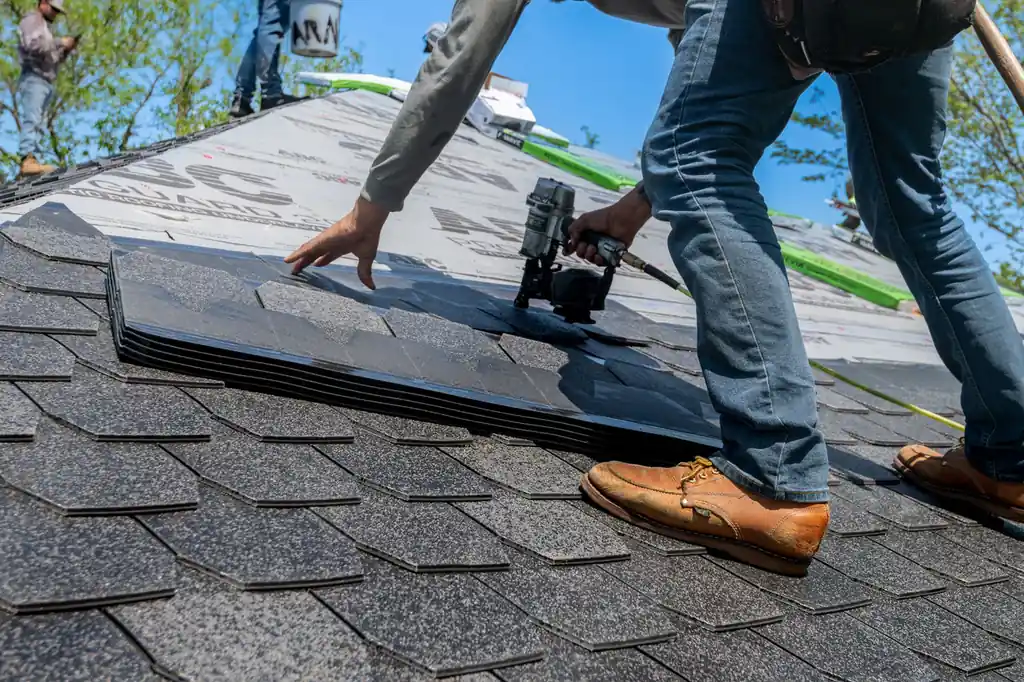
When water shows up on a ceiling and you are not sure whether the roof is TPO, shingle, or metal, we start with a full leak diagnosis and then route the repair to the right crew. Most Conroe calls end with a same-day fix.
View service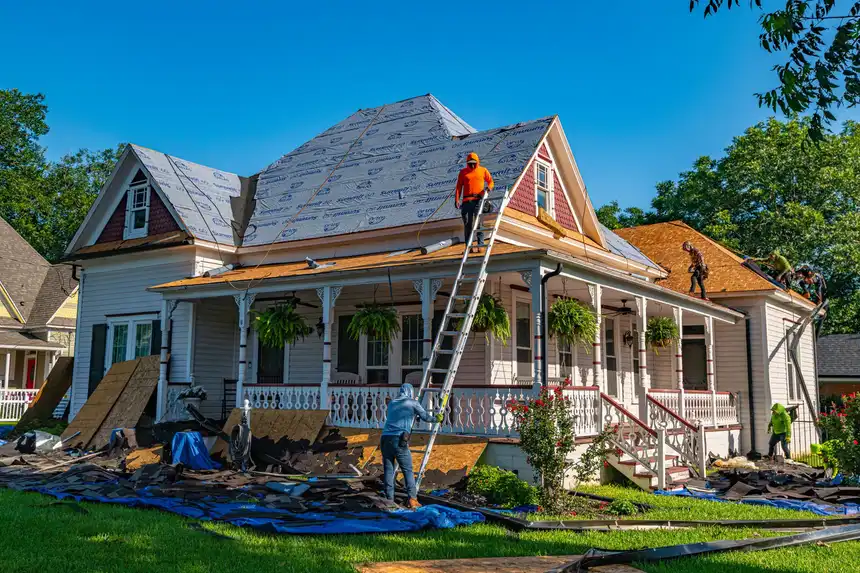
General roof repair covers the structural and surface work around a leak, including decking, drip edge, and roof cement details. If your TPO repair uncovers rotted decking or a failed termination bar, this is the next step.
View service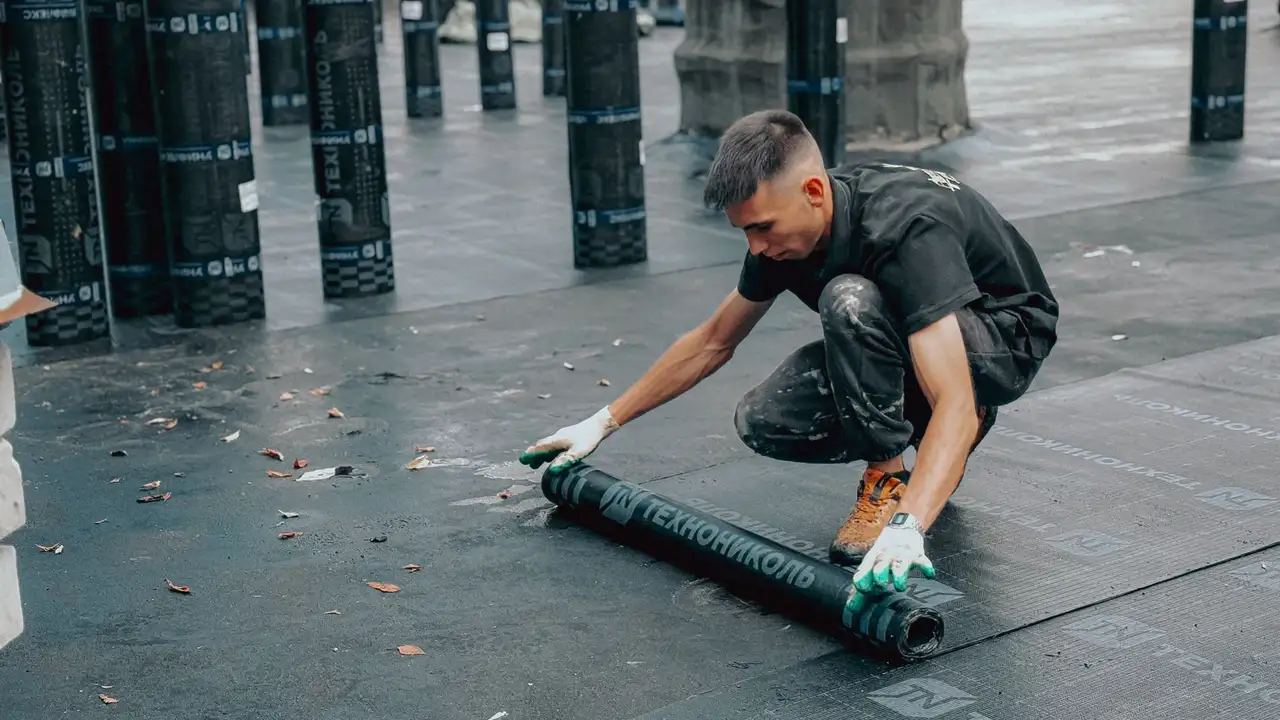
Many Conroe homes have a shingle field roof plus a small TPO or modified bitumen low-slope section over a porch or addition. We repair both on the same visit so you are not coordinating two contractors for one leak.
View serviceDetection is the front half of every TPO repair. We use an infrared thermal imaging camera, moisture meter, and water hose test kit to trace water back to its entry point, which is often 10 to 20 feet from the stain.
View service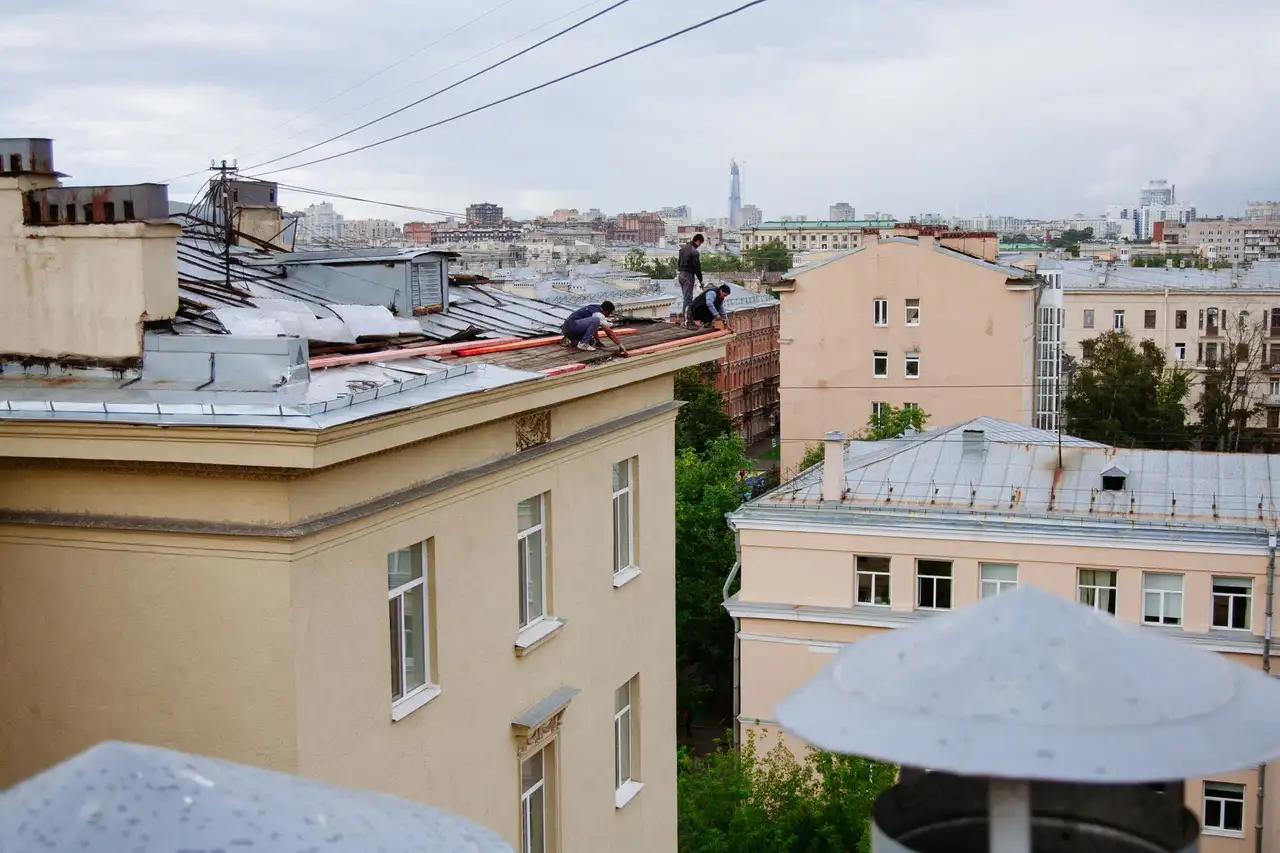
Call us at (936) 304-3062 any time, day or night. We answer live during business hours and our emergency line stays open 24/7 for active leaks. Most Conroe calls get a same-day inspection, and you will always get a written price before we start work.