Focused arrival windows
Useful updates and clear arrival timing.
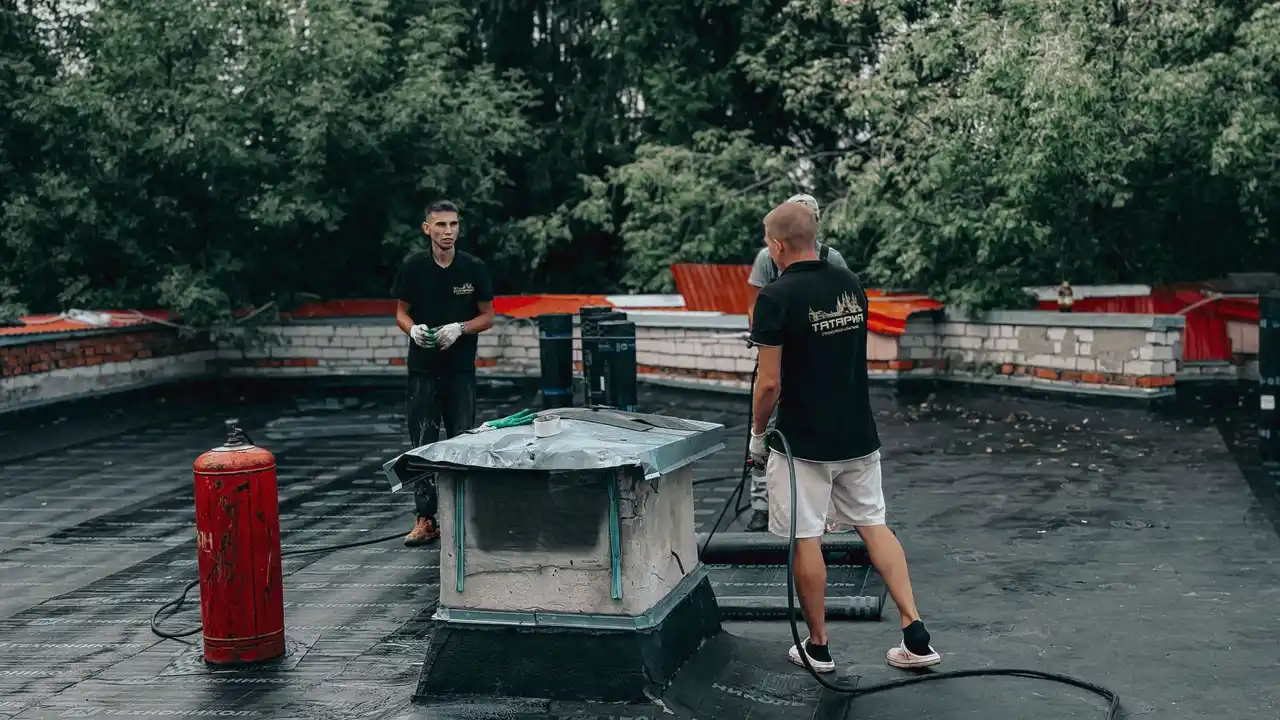
Roof Leak Detection Conroe TX is how you find the actual source of a ceiling stain instead of guessing. We scan your attic, shingles, and flashing with infrared cameras and moisture meters, then run a controlled water test to confirm the entry point. Homeowners across Conroe, Texas call us when a stain keeps growing after a storm. We locate it, document it, and hand you a repair plan the same day.
Useful updates and clear arrival timing.
Review the approach and price before deciding.
Equipped vehicles and respectful cleanup.
Neighbors serving neighbors with follow-through.
Detection is a diagnostic visit, not a repair. Here is what is included in the standard call, and what gets quoted separately once we know what failed.
We inspect the attic decking, rafters, and insulation with a moisture meter and infrared thermal imaging camera. Wet areas show up as temperature differences, which reveals the water path even when the surface feels dry to the touch.
We check shingles, flashing, pipe boots, valleys, drip edge, and penetrations. Steep or tall roofs get a roof inspection drone pass. This is where most vent boot leak and flashing leak sources get confirmed.
Using a water hose test kit, we flood suspect areas one at a time while watching inside. When the drip appears, we have the exact entry point. This step is what turns a guess into a confirmed diagnosis.
You get photos of the failure point, moisture readings, and a written summary of what failed and why. Useful for insurance claims, warranty discussions, or just knowing you are not being sold a roof you do not need.
We rank the findings by urgency and quote the repair before any work starts. Simple fixes like a pipe boot or sealant failure can often be handled the same visit. Larger repairs get a scheduled date and clear scope.
Share what is happening and receive a clear next step from the local team.
Roof Leak Detection Conroe TX is a diagnostic service that traces water intrusion to its true entry point using moisture meters, infrared thermal imaging cameras, and controlled water testing. Water rarely drips straight down. It enters at a vent boot, chimney flashing, or valley, then runs along a rafter before it stains your ceiling ten feet away. That is why guessing at the stain wastes money. We map the whole path, from the attic decking to the shingle surface, and mark the exact failure point before anyone touches a repair.
Conroe sits in Montgomery County, where summer storms dump heavy rain fast and attic temperatures swing hard enough to crack old sealant. Most homes here are 15 to 40 years old, so pipe boots, drip edge, and flashing have had time to fail. If you search for roof leak detection in Conroe TX near me after a storm, that is usually the pattern: a slow stain that shows up days later. We also serve 77301, 77303, 77304, and 77384, and we can usually get eyes on the roof within 24 hours.
You tell us where the stain is, when it appeared, and what the weather did that week. We ask about recent hail, wind, or a chimney you have not sealed in years. That conversation usually narrows the suspect list to two or three areas before we ever climb up, and it takes about ten minutes.
We start inside with a moisture meter and infrared thermal imaging camera. Wet decking and saturated insulation read as temperature differences, which shows us the water path even when the surface looks dry. This step takes 30 to 45 minutes on a typical Conroe home and often finds the leak without stepping on the roof.
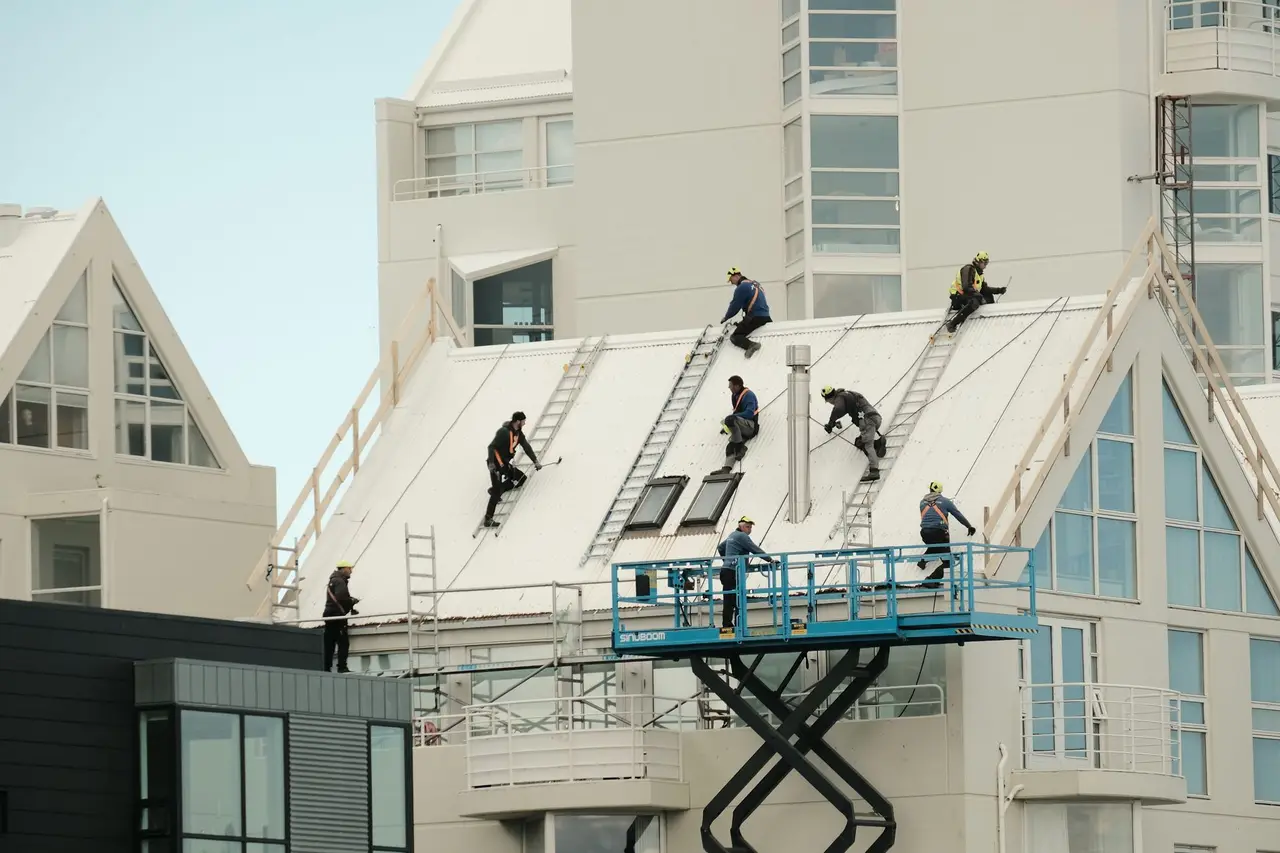
Then we go up. We check shingle damage, flashing, pipe boots, valleys, and the drip edge, using a ladder stabilizer and roof safety harness on steep pitches. If the roof is too tall or too steep to walk safely, a roof inspection drone covers it. This is where most vent boot and flashing leaks get confirmed.
We run a controlled water hose test kit over the suspect area, one section at a time, while a second person watches inside. When the drip starts, we have our answer. This step is what separates real detection from a visual guess, and it usually takes 20 to 40 minutes depending on roof size.
We show you photos, explain what failed and why, and give you a written repair plan with pricing. If it is a simple pipe boot or sealant failure, we can often fix it the same visit. If it needs shingle or flashing work, you get a scheduled date and a clear scope before we leave.
Reads temperature differences caused by trapped moisture. It shows the water path inside attic decking and insulation even when the surface looks and feels dry.
Confirms wet readings in decking, rafters, and drywall. We use it to verify what the infrared camera suggests and to log readings before and after repair.
Delivers controlled water over one suspect area at a time. This is how we confirm the exact entry point instead of guessing from visual clues.
Covers steep, tall, or wet roofs safely. It captures high-resolution images of flashing, valleys, and penetrations without putting a person on the pitch.
Keeps our technicians safe on steep pitches and protects your gutters and siding from ladder contact. OSHA 10 and OSHA 30 training backs up the gear.
Used during same-visit repairs to open flashing joints and apply the correct roof sealant or roof cement at the confirmed failure point.
For shingle repair after detection. The pitch hoist keeps materials stable on steep sections, and the nail gun sets shingles to manufacturer spec.
We scan the attic and roof deck with a thermal camera to map wet zones. Trapped moisture holds heat differently than dry material, so the leak path shows up as a temperature contrast. This method finds leaks that visual inspection misses entirely.
We flood one suspect area at a time with a hose test kit while a second technician watches inside. When the drip starts, the entry point is confirmed. This is the standard method for verifying flashing, valley, and penetration leaks.
For hail and wind claims, we follow HAAG Certified Inspector protocols to document damage patterns, test shingle mat integrity, and record findings in a format carriers accept. This supports your claim with evidence rather than opinion.
Repairs follow GAF, Owens Corning, and CertainTeed installation details for flashing, valleys, and penetrations. Correct detail matters for warranty coverage and for making sure the repair outlasts the next storm season.
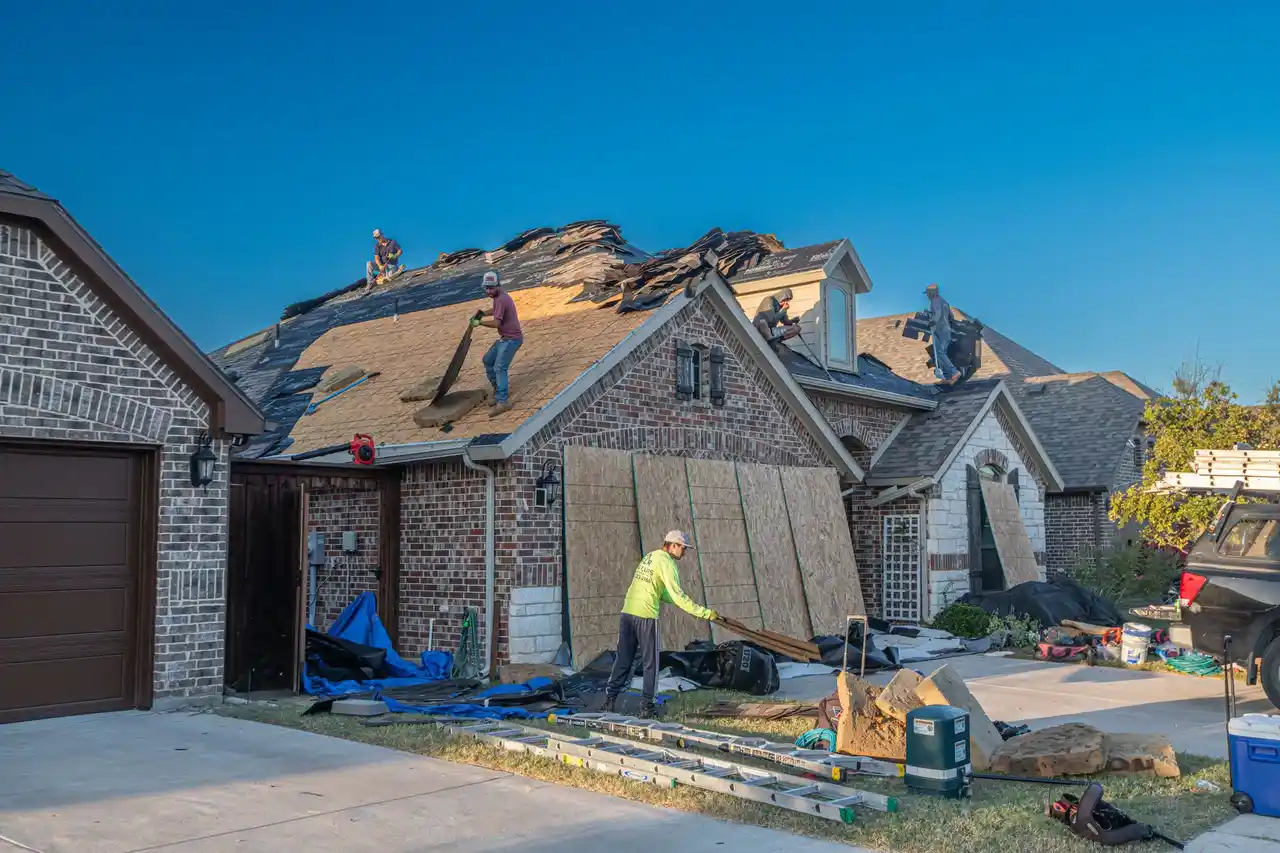
We run infrared and moisture scans in the attic to trace the water path, then water test the roof above the stain. Most of these trace to a pipe boot or valley leak that has been slow-dripping for weeks. You get the exact entry point confirmed the same visit, plus a repair quote. No more guessing which contractor is right about the cause.
This is the ideal time for detection. We scan for wet zones with the infrared camera, isolate the source, and repair while the damage is still limited to a small area of decking. A minor repair instead of insulation replacement and mold remediation. Catching attic moisture early is the cheapest outcome available.
We treat it as a fresh diagnosis. Full detection, water testing each suspect area, and photo documentation of what the earlier patches missed or covered up. The real entry point gets found and repaired, and you stop paying for the same fix twice. We also document whether the earlier work caused any new damage.
We run a detection visit and produce a written finding with photos and moisture readings. That report supports the negotiation or confirms the roof is dry. A clear, documented answer either way. No vague warnings, no pressure to replace a roof that detection shows is sound.
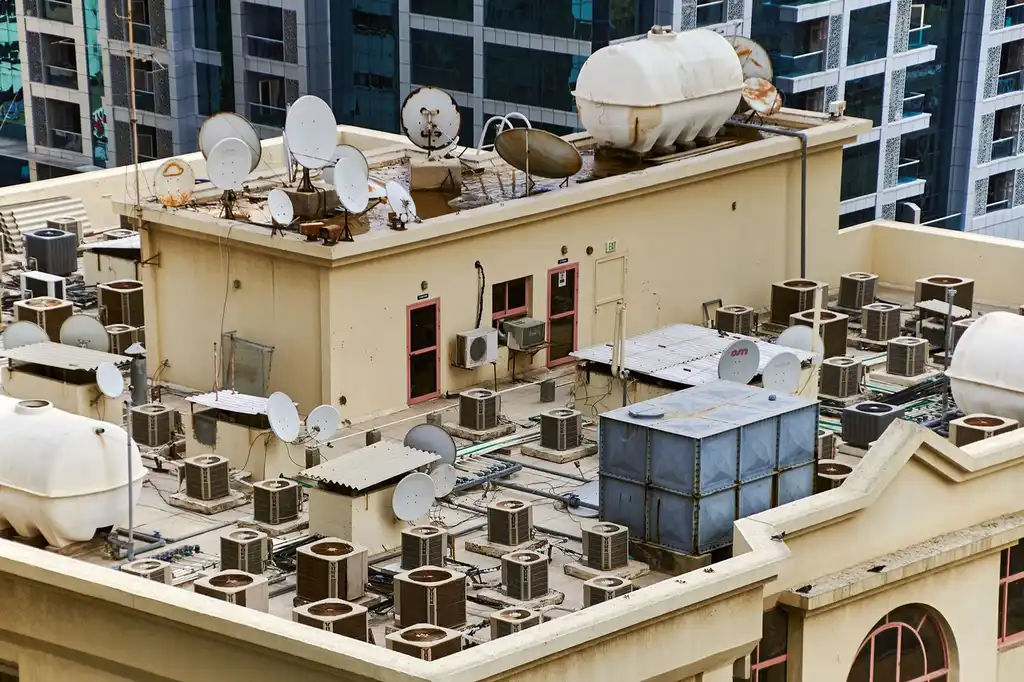
Conroe roofs take a specific beating. Summer attic temperatures push past 140 degrees, which cooks the rubber collars on pipe boots until they crack. Spring and fall storm cells drop heavy rain in short bursts, and that water finds every failed flashing joint on a 20-year-old roof. Most homes here are asphalt shingle, with a growing number of metal and flat membrane roofs on newer commercial builds. We adjust detection to the roof type: infrared and water testing on shingle, seam and fastener checks on metal, and wet-insulation mapping on TPO and EPDM. If you need emergency roof leak detection Conroe TX same day, we prioritize active leaks and tarp first. We also know the local inspection expectations in Montgomery County, so our findings are documented in a format that works for insurance and real estate transactions.
Older housing stock with original pipe boots and flashing. Most detection calls here confirm vent boot leak or valley leak on roofs that have never had a full inspection.
Larger, steeper roofs with complex valleys and multiple penetrations. Drone inspection and infrared scanning do most of the work before anyone walks the pitch.
Mix of rural and suburban homes where tree debris dams valleys and holds moisture against shingles. Valley leak calls are common after fall leaf drop.
Newer builds mixed with older properties. We see manufacturer flashing detail issues on newer roofs and age-related sealant failure on older ones.
Larger lots with mature trees and heavy shade. Shaded roof sections stay damp longer, so attic moisture and moss-related shingle damage show up more often.
Rubber pipe boot collars and sealant dry out and crack faster here than in cooler climates. Detection usually confirms a vent boot leak on roofs that are only 10 to 15 years old.
Short, intense rain events expose every weak flashing joint at once. We see clusters of calls in the days after a storm, often with multiple entry points on the same roof.
Damp decking stays wet longer, so attic moisture and mold risk climb quickly after a leak starts. Early detection matters more here than in drier parts of Texas.
Storm damage often creates leaks at the same time it damages shingles. We document both during detection so your insurance claim covers the full scope.
A homeowner in Conroe 77301 had a spreading ceiling stain for three weeks. Two contractors told them the roof was shot and quoted full replacement. Water was entering through a cracked pipe boot collar and running along a rafter before dripping.
Infrared scanning and a water test confirmed the pipe boot in under an hour. We replaced the boot and resealed the penetration the same visit. The ceiling dried within a week, and the homeowner avoided a full roof replacement.
Maintenance: Check pipe boot collars every two years, especially on roofs older than 12 years. A $15 collar replaced early prevents the interior damage that makes people think they need a new roof.
After spring storms, water was running down the chimney chase in a The Woodlands home. The homeowner assumed the shingles were failing. Detection showed the shingles were fine and the counter flashing had pulled away from the masonry.
We rebuilt the counter flashing and resealed the chimney joint in about three hours. A follow-up water test confirmed a dry chase. No shingle replacement was needed, which saved the homeowner several thousand dollars.
Maintenance: Inspect chimney flashing annually before storm season. Sealant at the masonry joint should be checked each fall and refreshed if it has cracked or pulled away.
A Willis commercial building had a persistent ceiling leak for months. Two patch attempts failed because crews repaired directly under the stain. Water was actually entering at a TPO seam twenty feet away and traveling through the insulation.
Infrared scanning mapped the wet insulation and located the open seam. We repaired the TPO membrane at the true source and replaced the saturated insulation section. Two months of rain later, the ceiling stayed dry.
Maintenance: Have flat roofs scanned annually. TPO and EPDM seams should be checked each spring, and any ponding water that sits more than 48 hours should be addressed before it works into the seams.
Most calls fall into a handful of patterns. Here is what we find most often on Conroe roofs and how we handle each one.
Water is entering somewhere above and traveling along a rafter. Left alone, the decking rots and insulation soaks through, turning a small repair into sheathing replacement. We scan the attic with infrared and a moisture meter to trace the water path, then water test the suspect area on the roof. Once confirmed, we repair the entry point and the ceiling dries out on its own. Most cases trace back to a pipe boot or flashing joint.
This is early-stage intrusion. The leak is small enough that water evaporates before it reaches the ceiling, but the decking stays damp and mold risk climbs fast in Conroe humidity. Infrared scanning catches this before it becomes visible damage. We locate the wet zone, test the roof above it, and fix the source while the repair is still minor. Catching it at this stage usually avoids insulation replacement entirely.
A patch that failed usually means the original diagnosis was wrong. Water was entering at a second point, or the patch material was wrong for the substrate. You pay twice for the same problem. We start fresh with full detection instead of trusting the old patch location. Water testing confirms every suspect area individually, so we find the entry point the first crew missed. Then we repair with the correct materials for your roof type.
These transitions have multiple flashing layers, and water can enter at any of them. Guessing wrong means replacing flashing that was fine while the real breach stays open. We test the chimney flashing, cap, and masonry separately, and the skylight curb and seal separately. Each transition gets isolated so the repair targets the actual failure. Most chimney leaks here trace to failed counter flashing or a cracked crown.
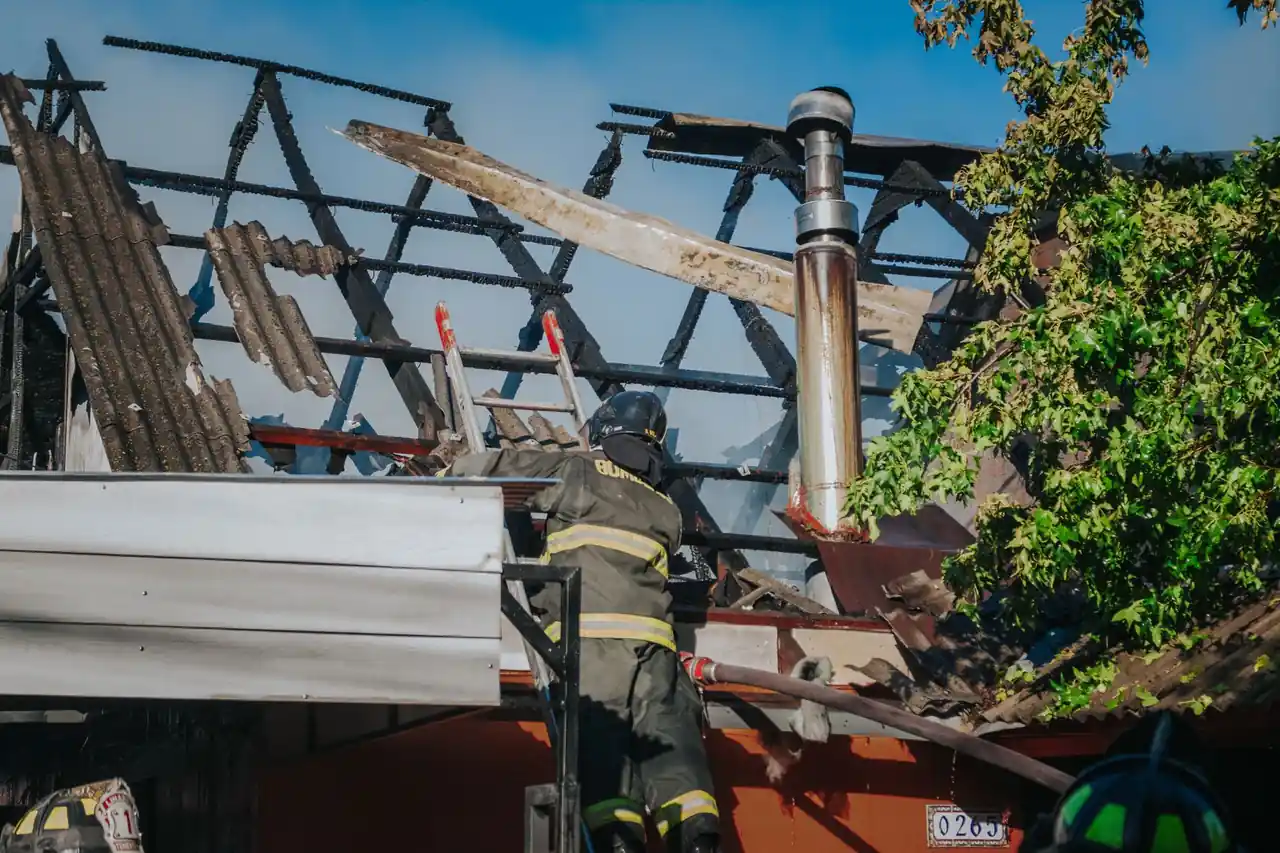
Our technicians work Conroe roofs every week, from 1970s ranch homes near downtown to newer builds in the 77384 corridor. We hold HAAG Certified Inspector training for storm damage assessment, carry OSHA 10 and OSHA 30 safety credentials, and follow NRCA member standards on every inspection. We work with GAF, Owens Corning, and CertainTeed systems daily, so we know how each manufacturer's flashing details are supposed to be installed and where they commonly fail. That matters when your leak turns out to be a warranty issue.
Most detection calls in Conroe run $180 to $450 in 2026, depending on roof size, pitch, and how many suspect areas we test. A single-story ranch with one obvious stain sits at the low end. Two-story homes, tile roofs, and cases needing drone or infrared work sit higher. If we find and fix a simple pipe boot or sealant failure during the same visit, that repair is quoted separately before we start.
Roof Leak Repair Conroe Pros does, and we cover all of Montgomery County including The Woodlands, Spring, Willis, Montgomery, Magnolia, Tomball, Shenandoah, and Oak Ridge North. We handle residential and commercial detection, from asphalt shingle to EPDM and TPO membrane roofs. Call (936) 304-3062 and we will get a technician on your roof, usually within 24 hours.
Yes, and rain sometimes helps. Active rain shows us exactly where water is entering, which shortens the search. We do not walk steep or wet pitches without harnesses, and we may use the drone instead of climbing. For safety, full water testing waits until the roof is dry, so a heavy storm may push confirmation to the next dry day. Interior scanning with the moisture meter and infrared camera happens rain or shine.
We give free repair estimates once the leak is located, and detection pricing is quoted up front before we start. That way you are never guessing what the visit costs. If detection confirms a repair you do not want to schedule yet, you still leave with photos, a written finding, and a priority list. No obligation to book the repair with us.
Not seeing your question? Our local team can help you understand urgency, scheduling and what to expect.
Ask the local team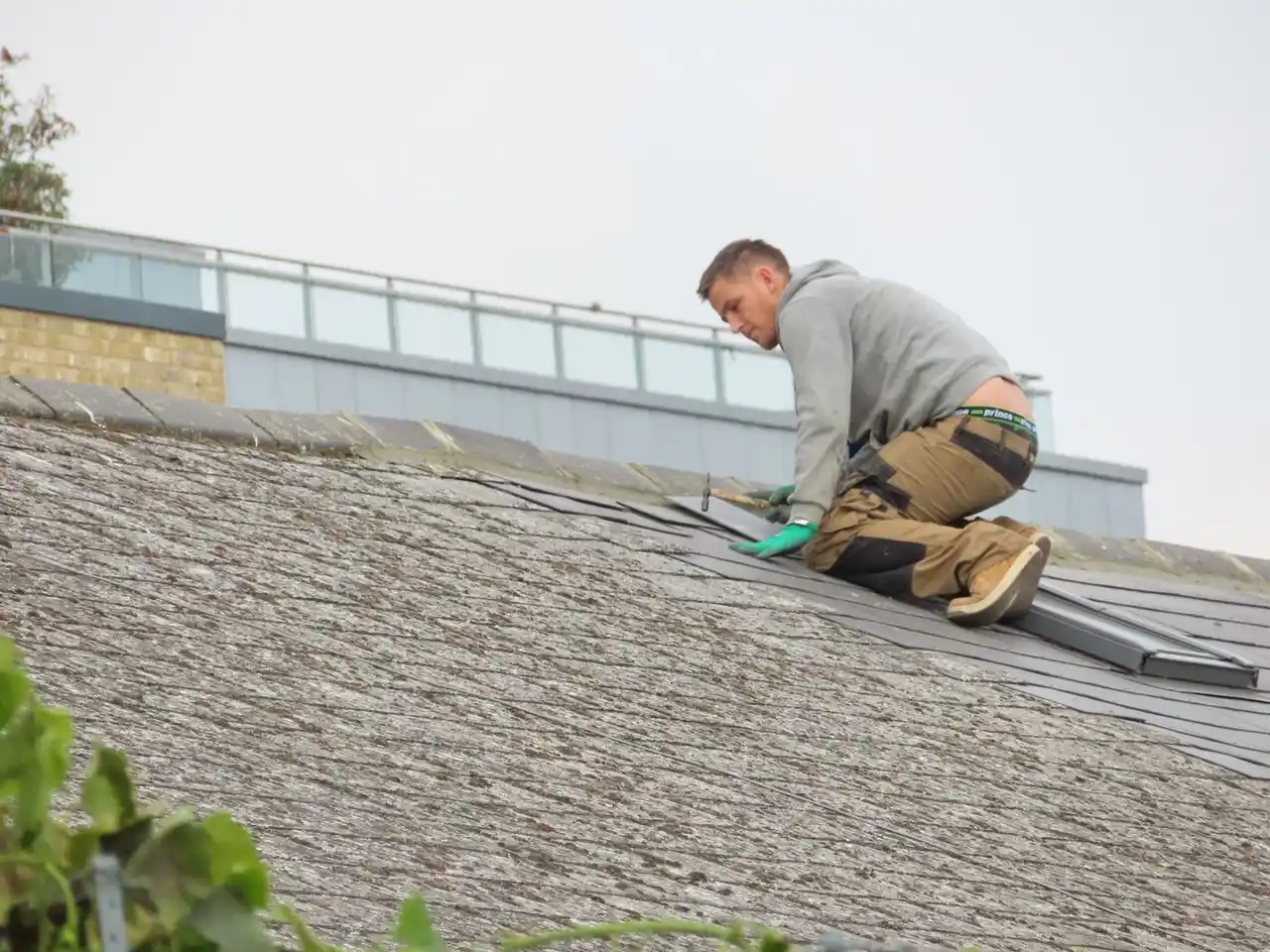
Once detection confirms the entry point, we repair it the same visit when possible. Most Conroe leaks trace back to a pipe boot, flashing joint, or valley, and those are quick fixes with the right materials on the truck.
View serviceDetection often reveals shingle damage or lifted edges beyond the leak itself. We handle the broader roof repair so you are not calling a second contractor for the same area.
View service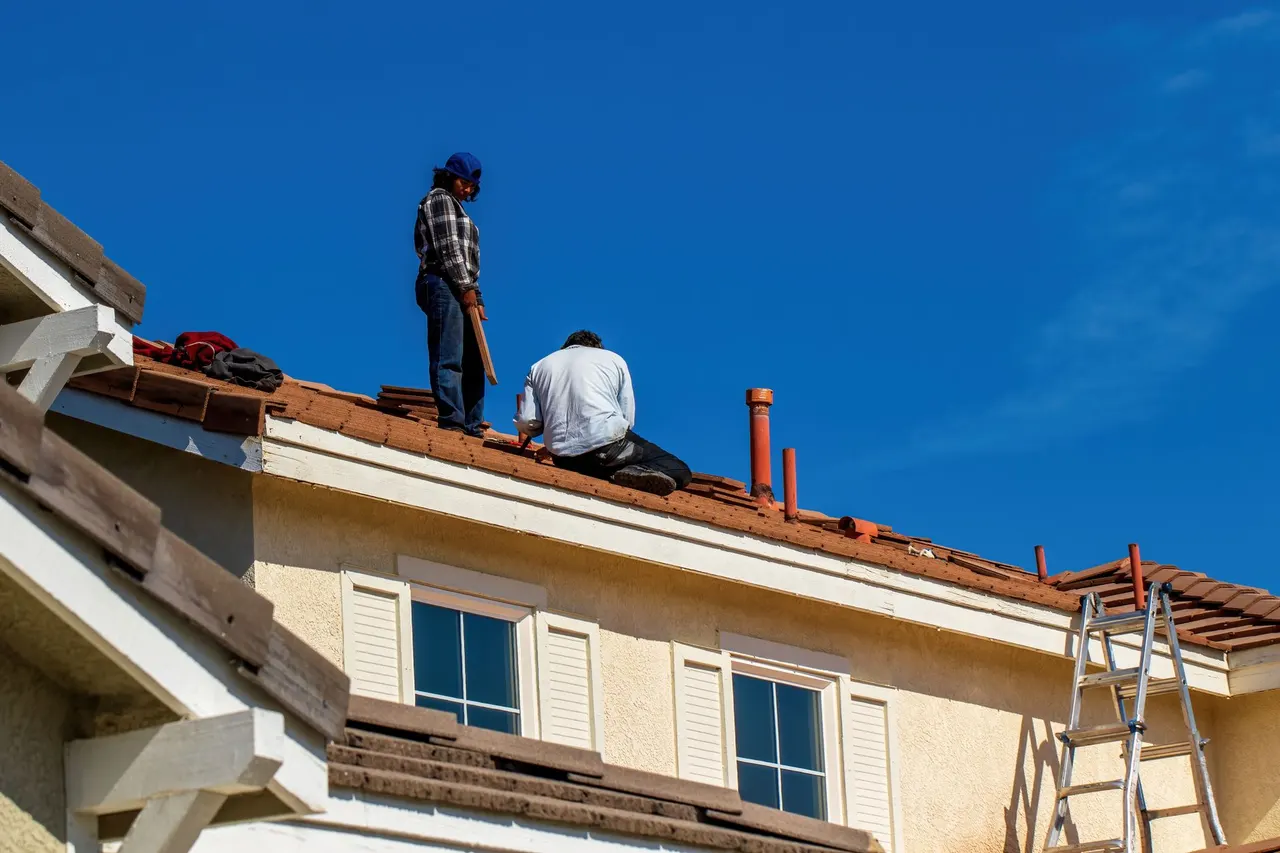
Cracked or missing asphalt shingles let water straight through to the decking. After detection, we replace the damaged shingles and match the surrounding course as closely as the existing roof allows.
View service
When water is actively running into your ceiling, detection and emergency repair happen together. We tarp first to stop the damage, then find and fix the source.
View service
Call us at (936) 304-3062 any time, day or night. We answer live during business hours and our emergency line stays open 24/7 for active leaks. Most Conroe calls get a same-day inspection, and you will always get a written price before we start work.