Focused arrival windows
Useful updates and clear arrival timing.

Roof Seam Leak Repair Conroe TX is the trade we have built our name on, and it is the fastest way to stop water tracking through your ceiling, attic, or wall cavity. We handle shingle, metal, TPO, EPDM, and modified bitumen seams across Conroe and Montgomery County. When a storm opens a seam at 2 a.m., we answer, tarp it, and schedule the permanent fix.
Useful updates and clear arrival timing.
Review the approach and price before deciding.
Equipped vehicles and respectful cleanup.
Neighbors serving neighbors with follow-through.
Every seam repair starts with a full inspection and ends with a water test. Here is what is covered in a standard visit, and what we quote separately if your roof needs it.
We walk the roof with a safety harness and scan the attic with an infrared thermal imaging camera and moisture meter. You get a written summary of what we found, where the water is entering, and whether the damage is limited to one seam or spread further.
We remove failed sealant, old butyl tape, and any lifted fasteners with a pry bar and caulking gun. The substrate gets cleaned and dried so the new materials bond properly instead of sitting on top of a contaminated surface.
Shingle seams get butyl tape and roof cement. TPO and EPDM get heat-welded laps. Modified bitumen gets new ply and granule surfacing. We match the repair to your existing roof system, whether it is GAF, Owens Corning, Firestone, or Carlisle SynTec.
We run controlled water over the repaired seam while a second technician watches from inside. If any moisture appears, we keep working. You only sign off on a repair that has been proven dry under live water.
You receive before-and-after photos, a list of materials used, and a written workmanship warranty. This documentation supports insurance claims and satisfies most real estate inspection requirements without a follow-up visit.
Share what is happening and receive a clear next step from the local team.
Roof Seam Leak Repair Conroe TX is the process of locating and permanently sealing the joints where two roofing surfaces meet, whether that is a shingle overlap, a metal panel rib, or a membrane lap on a flat roof. Water rarely enters through the field of a roof. It enters at seams, penetrations, and transitions, then travels sideways along decking before it drips. We use a moisture meter and infrared thermal imaging camera to trace that path, then we open the seam, dry it, and rebuild it with butyl tape, roof cement, or a heat-welded membrane lap depending on the substrate.
Conroe takes roughly 50 inches of rain a year, plus hail events that crack sealant and lift shingle tabs. That combination is brutal on seams. If you have a ceiling water stain that grows after every storm, or attic moisture that will not clear, the odds are good you need roof seam leak fixing Conroe Texas rather than a full replacement. We see this constantly in homes built between 1995 and 2015, where original sealant has simply aged out.
You call (936) 304-3062 and describe what you see: a stain, a drip, a musty attic. We ask the right questions, give you a realistic arrival window, and if water is actively entering, we treat it as emergency roof seam leak repair Conroe TX same day and roll a truck.
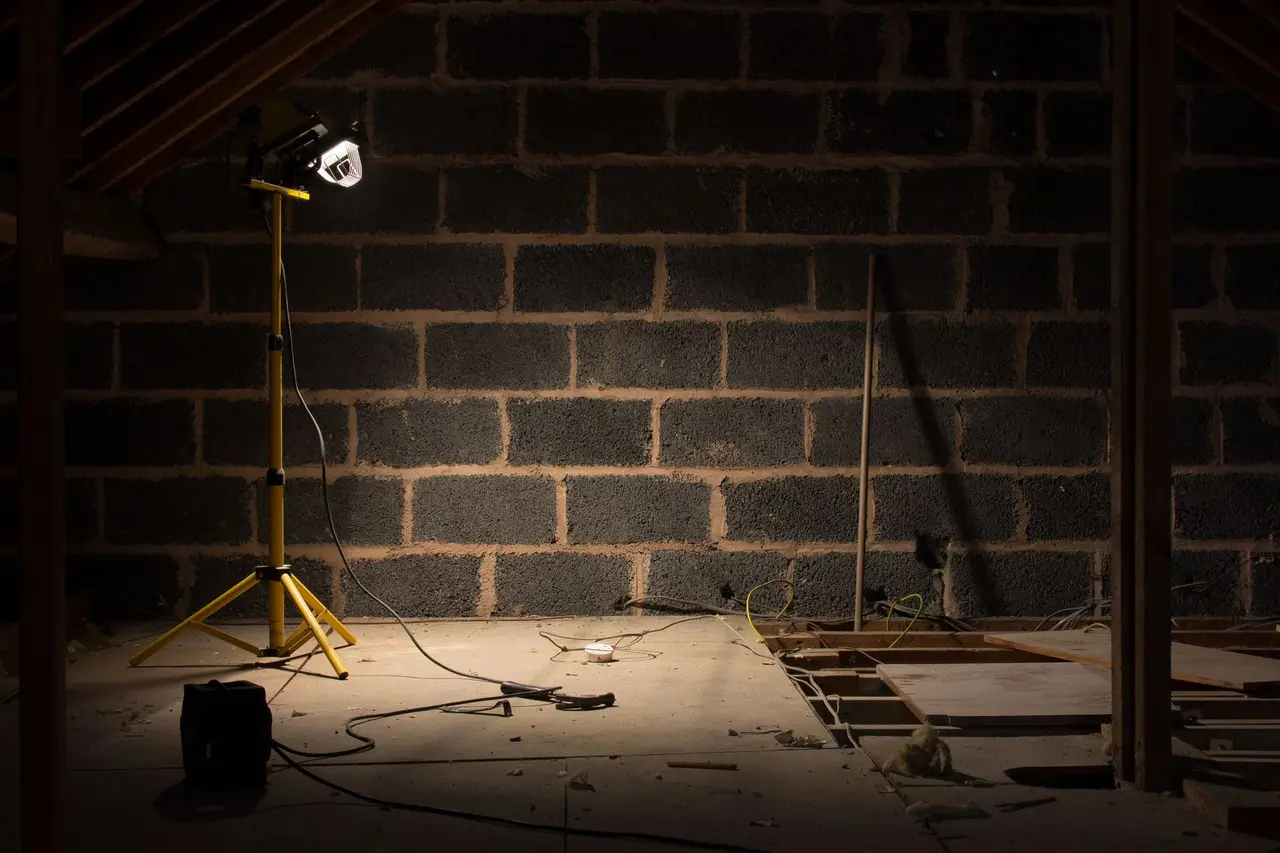
On site, we walk the roof with a roof safety harness and ladder stabilizer, then scan the interior with an infrared thermal imaging camera. A moisture meter confirms the wet boundary. Most inspections take 45 to 75 minutes and pinpoint the seam within a two-foot zone.
We open the seam, remove failed sealant with a pry bar, and dry the substrate. Then we rebuild it: butyl tape and roof cement on shingle seams, heat-welded laps on TPO and EPDM, or modified bitumen with a torch where the spec calls for it. Work typically runs two to four hours.
Before we pack up, we run a controlled water hose test over the repaired seam while a second tech watches inside. If a drop appears, we keep working. You do not pay for a repair we have not proven under live water.
You get photos of the before and after, the materials used, and a written workmanship warranty. We also note the roof's overall condition so you know what to watch next season. Most customers hear from us once, then not again for years.
Scans ceilings and attic decking for temperature differences caused by trapped moisture, showing us the wet boundary before we open anything up.
Confirms the exact wet zone in decking, insulation, and drywall so we know where the seam leak starts and where it stops.
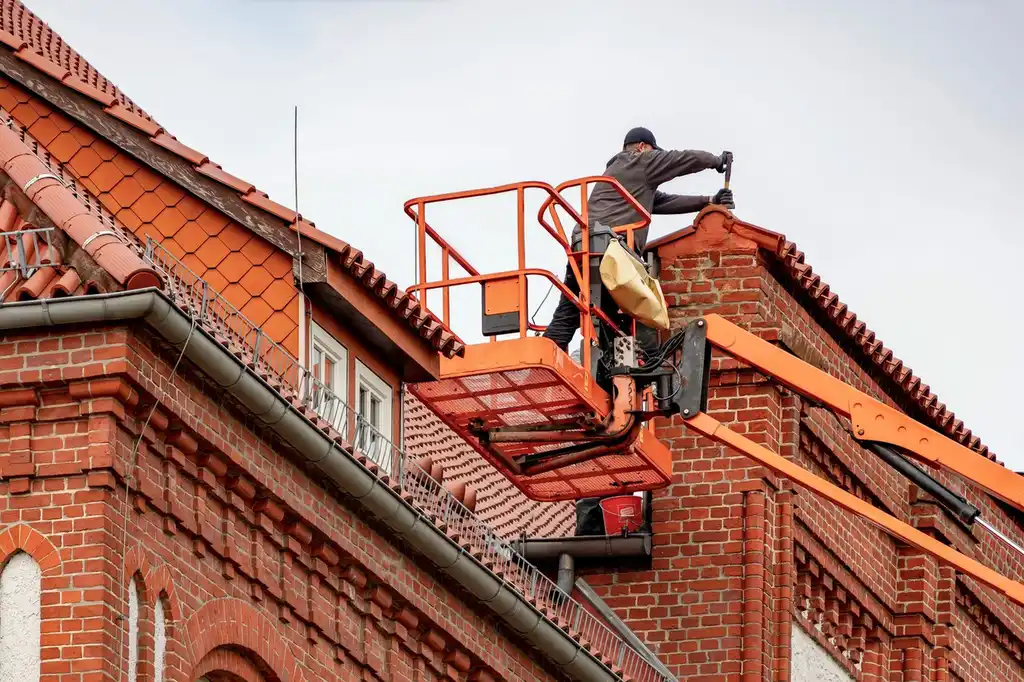
Captures high-resolution images of steep or fragile roof sections so we can assess seam condition without putting a tech at unnecessary risk.
Keeps our technicians secure on steep pitches and prevents ladder slip on gutters and uneven ground during inspection and repair.
Delivers controlled water over a repaired seam while a second tech watches inside, proving the fix works before we leave the property.
Removes failed sealant and applies new beads of roof cement or sealant with clean, consistent coverage along the seam.
Lifts heavy membrane rolls and material bundles onto the roof safely, which speeds up flat-roof seam repairs and reduces crew fatigue.
We scan the interior first, map the wet boundary, then match it to the seam above. This method eliminates guesswork and keeps us from opening dry sections of roof that do not need repair.
For TPO and EPDM, we clean the lap, apply primer where required, and heat-weld or tape the seam to manufacturer spec. We probe-test the weld before considering the repair complete.
On shingle and metal seams, we layer butyl tape under the overlap and roof cement over the top, then press it in. This creates a flexible, waterproof bond that moves with the roof.
Every seam repair ends with a controlled water test. We run water over the repair for several minutes while a tech watches inside. If a drop appears, we keep working until it does not.
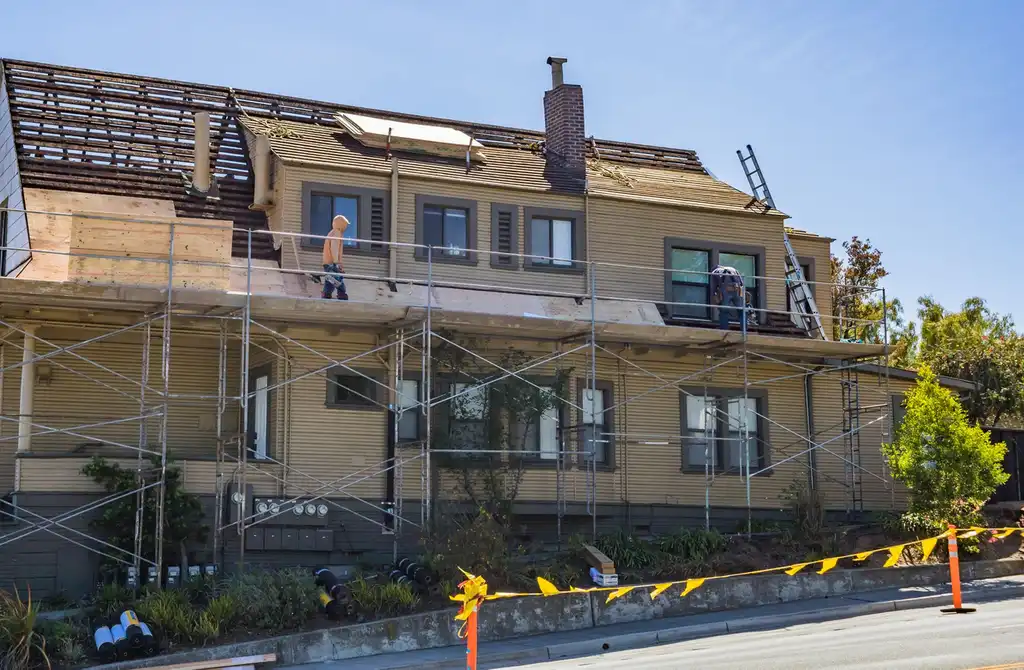
We inspect the roof and attic, locate the failed seam above the stain, and repair it with butyl tape and roof cement. The water hose test confirms the fix before we leave. We also check the surrounding seams for early failure. The stain stops growing, the decking dries, and the homeowner avoids a full roof replacement. Most repairs like this finish in under four hours.
We schedule the repair outside business hours, clean and heat-weld the failed lap, and probe-test the weld for strength. Documentation is provided for the facility file and the tenant's insurance. The tenant stays dry, the building avoids interior damage, and the manager has a warrantied repair on record for the next inspection.
We perform the repair within 48 hours, provide before-and-after photos, moisture readings, and a written warranty. The documentation goes straight to the buyer's agent and the title company. The transaction closes on schedule without a repair credit, and the new owners inherit a documented, warrantied repair.
We dispatch an emergency crew, tarp the dormer to stop the water, and return when the roof dries to complete the permanent seam repair. The tarp stays until the repair is finished. The interior stays dry overnight, the permanent repair is completed within 48 hours, and the homeowner pays one price for both visits.
Conroe sits in Montgomery County, where the climate swings from 100-degree summer afternoons to freezing nights in January, and that thermal cycling is hard on roof seams. Sealant expands and contracts until it cracks, shingle tabs lift, and membrane laps loosen. Add 50 inches of annual rain and regular hail, and you get a city where seam leaks are a year-round reality, not a seasonal one. We see the worst failures after the first big spring storm and again after the first freeze, which is why we keep emergency tarps and butyl tape on every truck. If you need emergency roof seam leak repair Conroe TX same day, we can usually have a tech on your roof within hours. Homes in 77301 and 77303 tend to be older, with original 3-tab shingles and aged pipe boots, while newer builds in 77384 and 77305 often have architectural shingles and flat-roof sections over garages. We match the repair to the roof, not the other way around.
Older homes with original roof systems and aged flashing. Seam leaks here often trace back to decades-old sealant that has fully dried out.
Larger homes with complex rooflines, dormers, and valleys. Multiple seams in close proximity mean we inspect the whole transition zone, not just the visible leak.
Tree-heavy lots mean shade and debris keep seams damp longer. We check for moss, debris dams, and slow-drying seams after every repair.
Newer construction with architectural shingles and tight seams. We watch for installation-related seam failures and warranty issues on these roofs.
Mixed-age housing stock where we see both hail-damaged seams and simple age-related sealant failure. Repair approach depends on the roof's remaining life.
Sealant and membrane laps expand and contract until they crack or pull loose. We use flexible butyl tape and heat-welded seams that tolerate movement better than rigid cement alone.
Hail damage opens seams that look fine from the ground. We document with HAAG standards and repair the seam so your insurance claim and your roof both hold up.
Sustained rain finds every weak seam. We prioritize water testing and verify repairs under live water, because a seam that holds in a drizzle can fail in a downpour.
Debris traps moisture against seams and accelerates sealant failure. We clear the repair area and note any debris dams that need attention to keep the seam dry.
A homeowner had a brown ceiling stain that grew after every storm. Two contractors recommended a full roof replacement. Our inspection found a single failed seam near the ridge where original sealant had cracked and pulled away.
We removed the failed sealant, rebuilt the seam with butyl tape and roof cement, and water-tested it for five minutes. The stain stopped growing after the next rain. The repair cost $420 instead of the $14,000 replacement quote.
Maintenance: We recommended an annual seam inspection each spring and keeping gutters clear. The homeowner checks the attic after major storms and calls us if anything changes.
A commercial building had a TPO roof leaking at a lap seam over a tenant's office. The previous repair used caulk, which peeled within months. Water was staining ceiling tiles and threatening inventory.
We cleaned the lap, heat-welded a new seam, and probe-tested the weld for strength. The repair passed a 10-minute water test. The tenant stayed dry through the next storm season, and the building avoided interior damage.
Maintenance: We scheduled a semi-annual roof inspection to catch any future lap failures early. The property manager now has documentation for every repair on file.
A family called at 11 p.m. during a storm with water pouring through a dormer seam into a bedroom. The roof was too wet to seal permanently, and the ceiling was starting to sag.
We tarped the dormer within two hours to stop the water, then returned two days later to complete the permanent seam repair. The ceiling dried without replacement, and the total cost was $680 for both visits.
Maintenance: We advised the homeowner to check the dormer seam each fall before storm season and to keep the area clear of debris. The repair carries a written workmanship warranty.
Most seam leaks fall into a handful of patterns. Here is what we see most often in Conroe and how we fix each one.
Water is entering at a seam and traveling along the decking before it drips. Left alone, the decking rots, insulation compresses, and the repair cost triples within a season. We trace the stain back to the seam with a moisture meter and infrared camera, seal the entry point, and water-test it. Most customers see the stain stop growing after the first rain following the repair.
A slow seam leak wets insulation and framing without producing a visible drip. Attic moisture climbs, mildew forms, and indoor air quality drops before you ever see water. Our technicians scan the attic with an infrared thermal imaging camera to find the wet boundary, then inspect the seam directly above it. We dry the cavity, seal the seam, and confirm with a water test.
Hail cracks sealant and lifts shingle tabs along seams. The next hard rain pushes water straight through. Insurance may cover it, but only if the damage is documented correctly. We document hail damage with HAAG Certified Inspector standards, repair the separated seam, and provide photos and material specs for your claim. We work directly with adjusters when needed.
TPO and EPDM laps fail when welds are cold or contaminated. Water pools at the lap, finds the gap, and enters the building. Ponding makes it worse every storm. We clean the lap, heat-weld a new seam on TPO or apply primer and splice tape on EPDM, then probe-test the weld. The repair restores the seam to manufacturer spec and carries a written warranty.
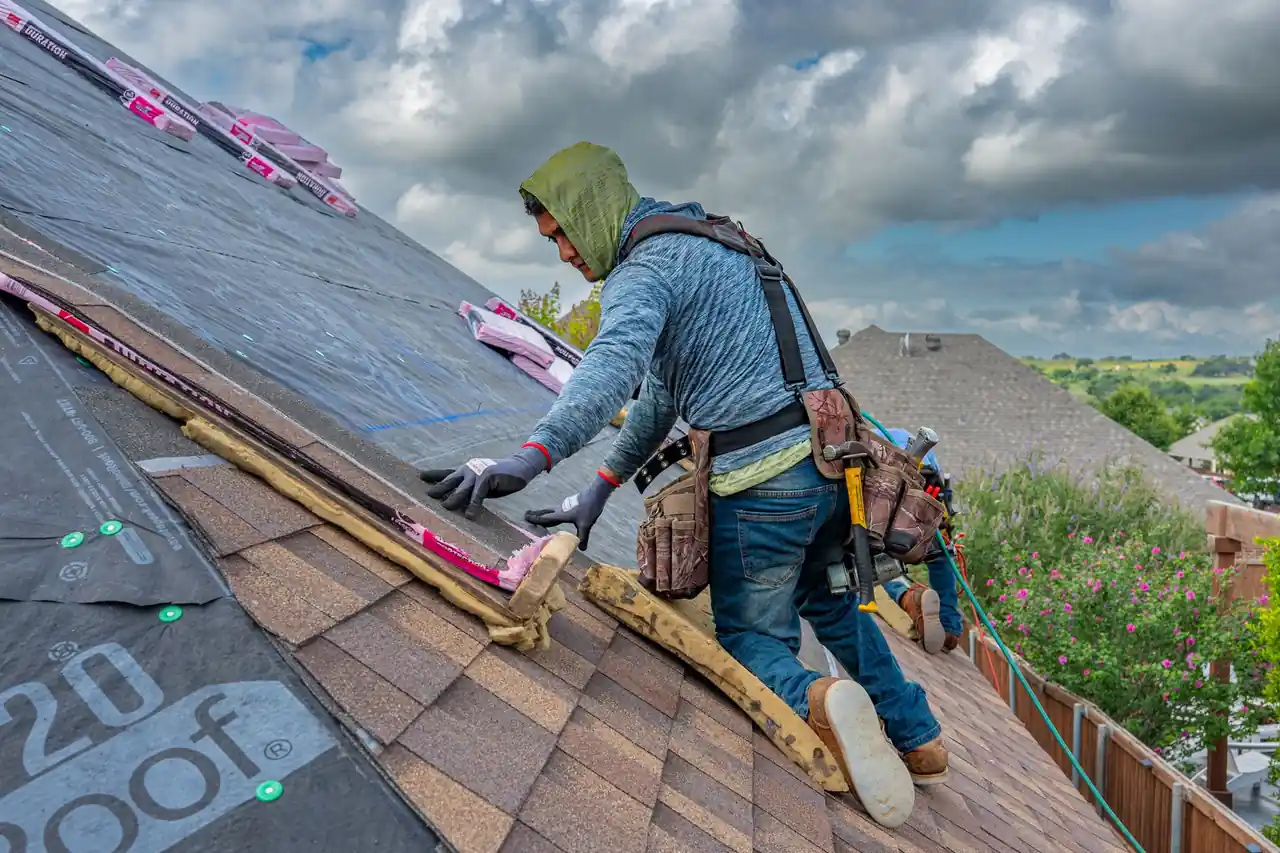
Our technicians hold OSHA 10 and OSHA 30 safety certifications and work under a Texas Roofing License. We are an NRCA Member and carry HAAG Certified Inspector credentials for storm damage assessment, which matters when a seam leak is tied to a hail claim. We install and repair GAF, Owens Corning, CertainTeed, IKO, and Malarkey shingle systems, plus Firestone, Carlisle SynTec, Tremco, Sika, and Henry Company membranes on the flat-roof side. That range means we match the repair to your actual roof instead of forcing one product onto every seam.
Most seam repairs in Conroe run $250 to $850 in 2026, with simple shingle seams at the low end and welded membrane or multi-seam repairs at the high end. Emergency calls, steep pitches, and hard-to-reach dormers add cost. You get the price before we start, and the inspection fee is credited toward the repair.
Roof Leak Repair Conroe Pros fixes seam leaks across Conroe and Montgomery County, including The Woodlands, Willis, and Magnolia. We are licensed, insured, and carry OSHA 30 certification. We handle shingle, metal, TPO, EPDM, and modified bitumen seams, and we document every repair with photos and a written warranty.
Permanent seam sealing needs a dry surface, so in active rain we tarp the area to stop water intrusion and return when the roof dries, usually within 24 to 48 hours. Temporary emergency roof seam leak repair Conroe TX keeps your ceiling dry in the meantime. We never weld or glue a wet seam and call it done.
A single seam repair takes two to four hours on site, including inspection, prep, repair, and the water hose test. Multi-seam jobs or membrane welding can run a full day. From your first call, most Conroe customers have a permanent, tested repair within one to three days.
Not seeing your question? Our local team can help you understand urgency, scheduling and what to expect.
Ask the local team
When water shows up but the entry point is not a seam, our roof leak repair team traces it with infrared imaging and moisture meters. We find the true source before we cut anything open, then fix it right the first time.
View service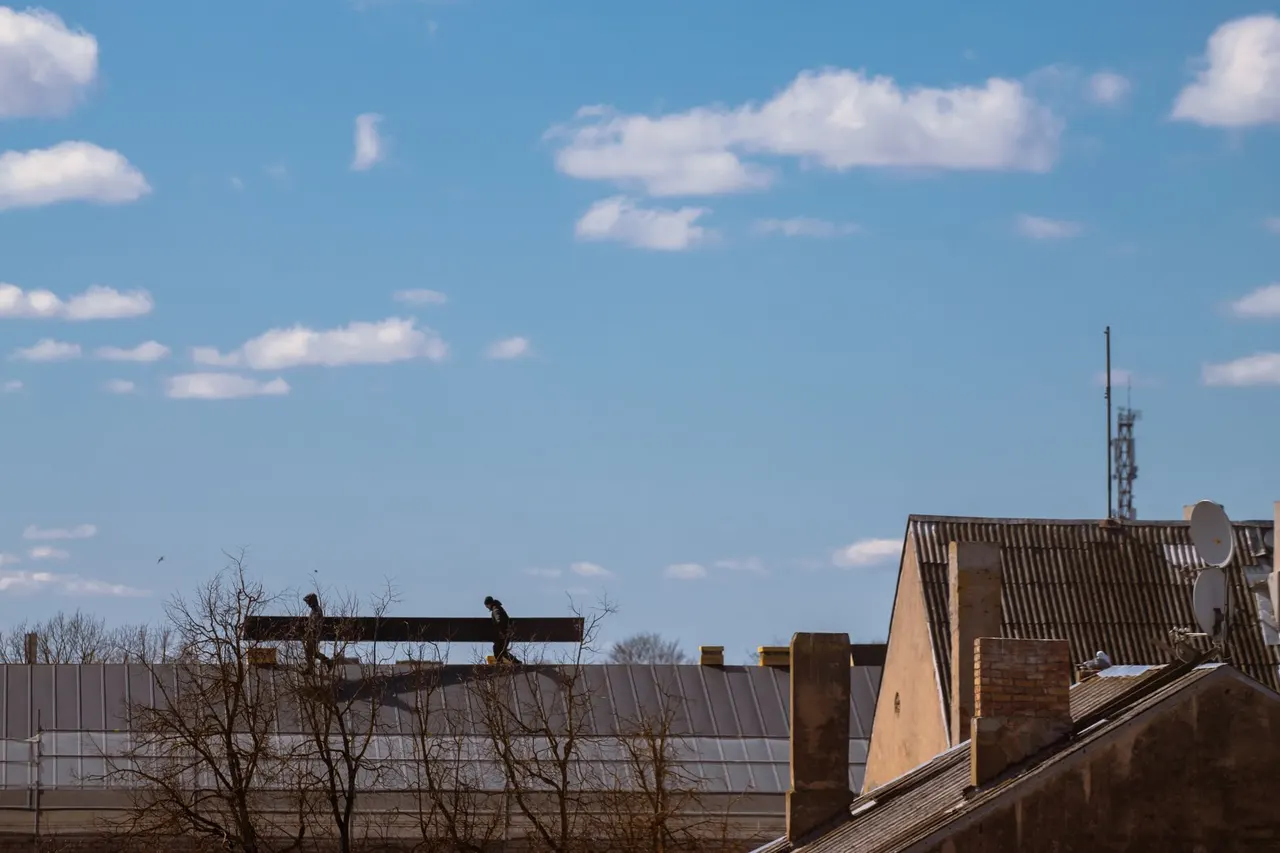
General roof repair covers everything from lifted shingle tabs to damaged drip edge. If your seam leak came with hail damage or wind-lifted shingles, we handle both in one visit so you are not paying two call-out fees.
View service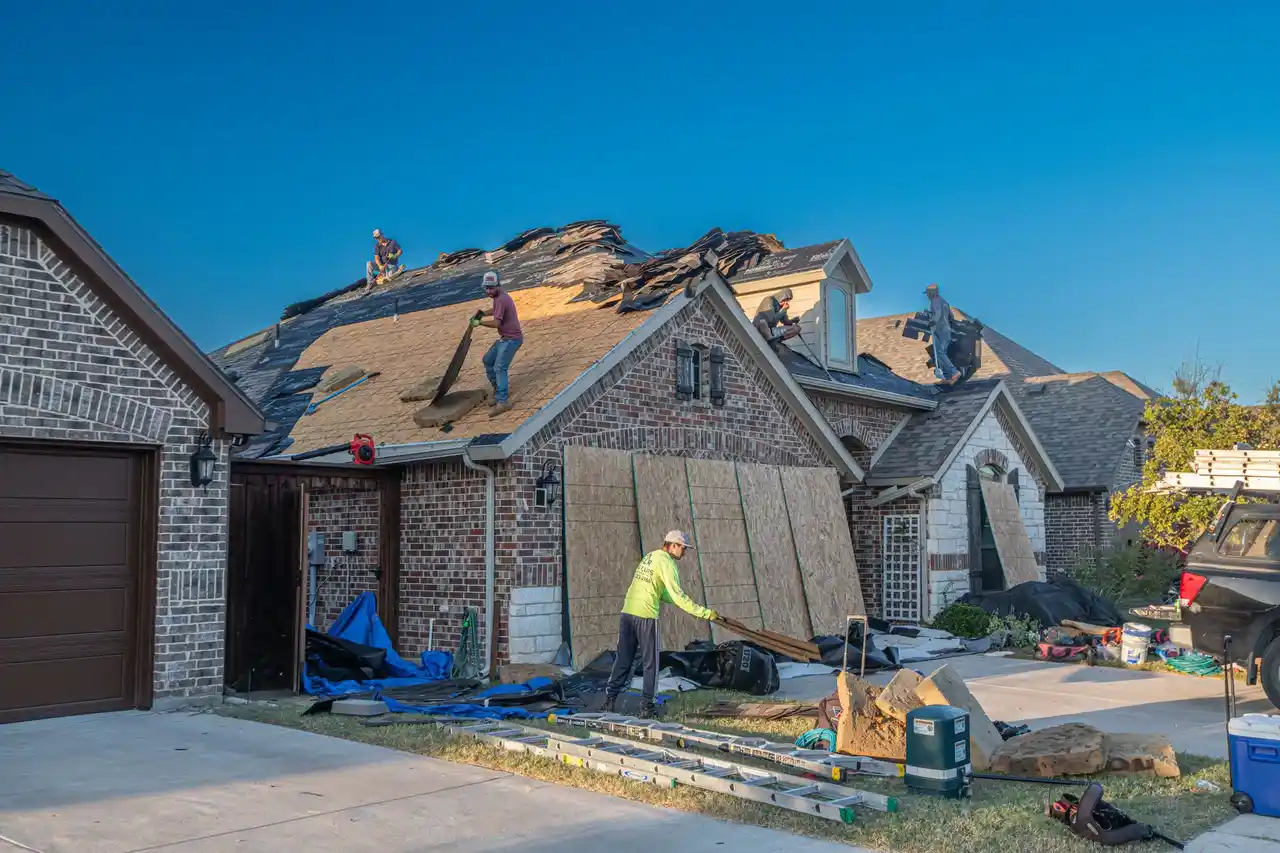
Cracked or missing asphalt shingles expose the seams underneath. We replace damaged shingles with matching GAF, Owens Corning, or CertainTeed product and reseal the surrounding seams so the repair blends and holds.
View service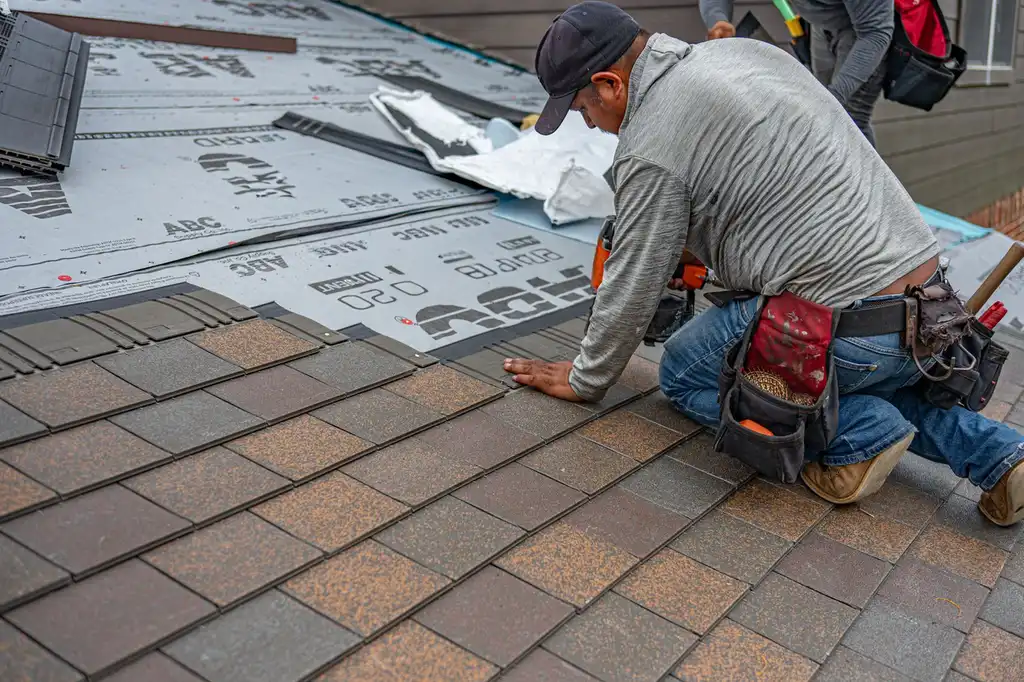
Seam leaks often travel. Our roof leak detection service uses a moisture meter and infrared thermal imaging camera to map the water path across your decking, so we repair the actual entry point instead of the stain on your ceiling.
View service
Call us at (936) 304-3062 any time, day or night. We answer live during business hours and our emergency line stays open 24/7 for active leaks. Most Conroe calls get a same-day inspection, and you will always get a written price before we start work.