Focused arrival windows
Useful updates and clear arrival timing.
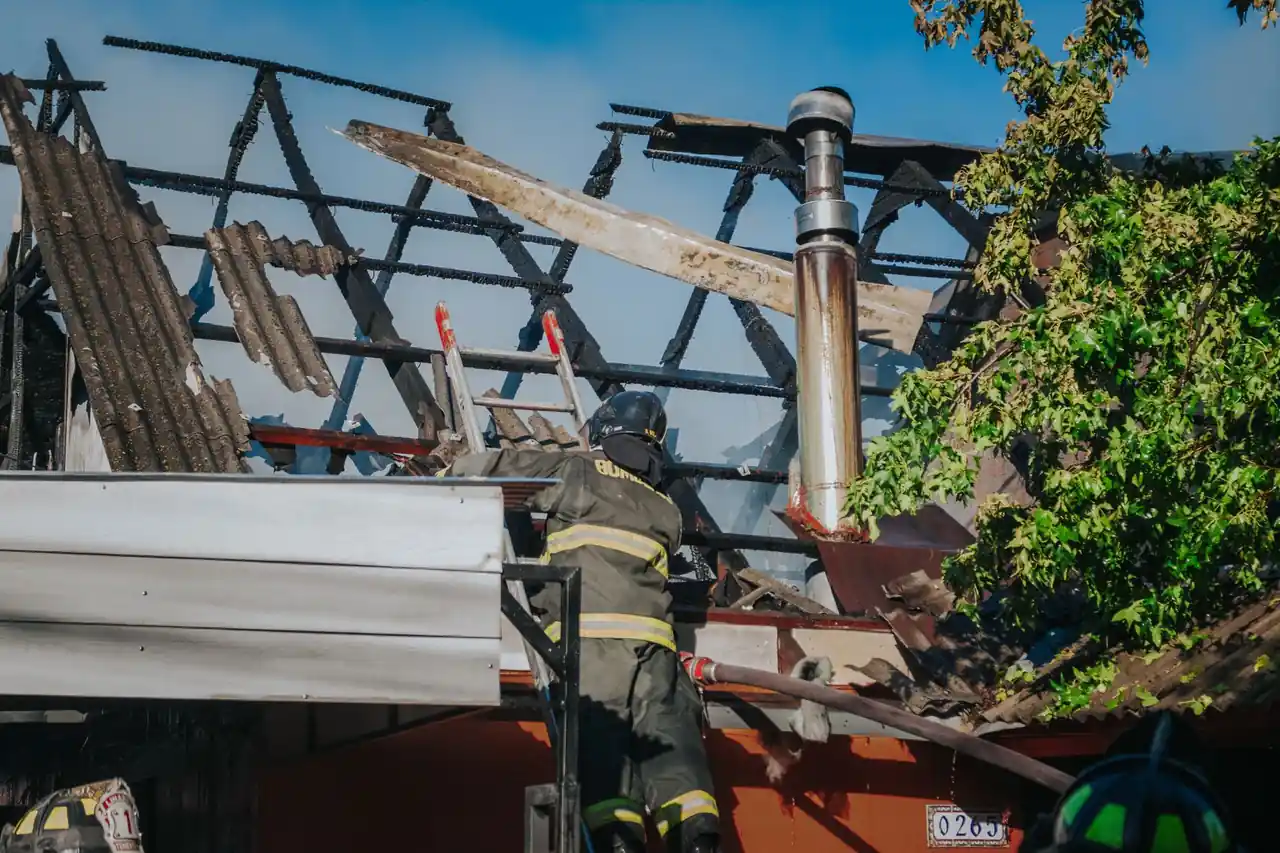
Roof Penetration Leak Repair Conroe TX targets the exact spots where water gets past your roof: pipe boots, vent stacks, chimney flashing, and HVAC curbs. If you are seeing a ceiling water stain or damp attic decking, we trace the leak, seal the penetration, and water-test it before we leave. Our Conroe roof penetration leak repair service covers homes and commercial buildings across Montgomery County.
Useful updates and clear arrival timing.
Review the approach and price before deciding.
Equipped vehicles and respectful cleanup.
Neighbors serving neighbors with follow-through.
Every penetration repair starts with finding the actual leak, not guessing at it. From there we rebuild the flashing or boot, seal it with materials matched to your roof, and water-test the finished work. Here is what is covered in a standard repair.
We inspect the roof and attic with a moisture meter and infrared thermal imaging camera, then confirm the entry point with a hose test. You get the exact location of the leak and photos of what we found before any repair starts.
Failed pipe boots, vent boots, and step flashing get replaced with new GAF, Owens Corning, or CertainTeed components sized to your penetration. We do not caulk over a cracked boot and call it fixed.
We use Sika, Tremco, or Henry Company sealants matched to your roof material, whether that is asphalt shingle, metal, tile, TPO, or EPDM. The wrong sealant fails in a season, so this step matters.
After the repair, we run the hose test again and check the attic side for any remaining moisture. You get before-and-after photos and a written workmanship warranty on the repair.
We haul off old boots, flashing, and sealant tubes, and we magnet-sweep the ground for nails. Your yard and driveway are left clean when we pull out.
Share what is happening and receive a clear next step from the local team.
Roof Penetration Leak Repair Conroe TX is the trade of sealing and rebuilding the points where pipes, vents, chimneys, and equipment pass through your roof deck. Every penetration cuts a hole in the waterproofing layer, so it needs its own flashing, boot, or curb to shed water. We pull the old cracked pipe boot, cut back failed roof cement, install new flashing or a butyl tape seal, then water-test the spot with a hose test kit to confirm it is dry.
Conroe homes take a beating from UV, hail, and driving rain off the Gulf, and pipe boots are usually the first thing to crack. A vent boot leak often shows up as a brown ring on the ceiling two rooms away from the actual hole. If you have been searching for roof penetration leak repair in Conroe TX near me, we handle the diagnosis and the fix in one visit, usually within 24 hours.
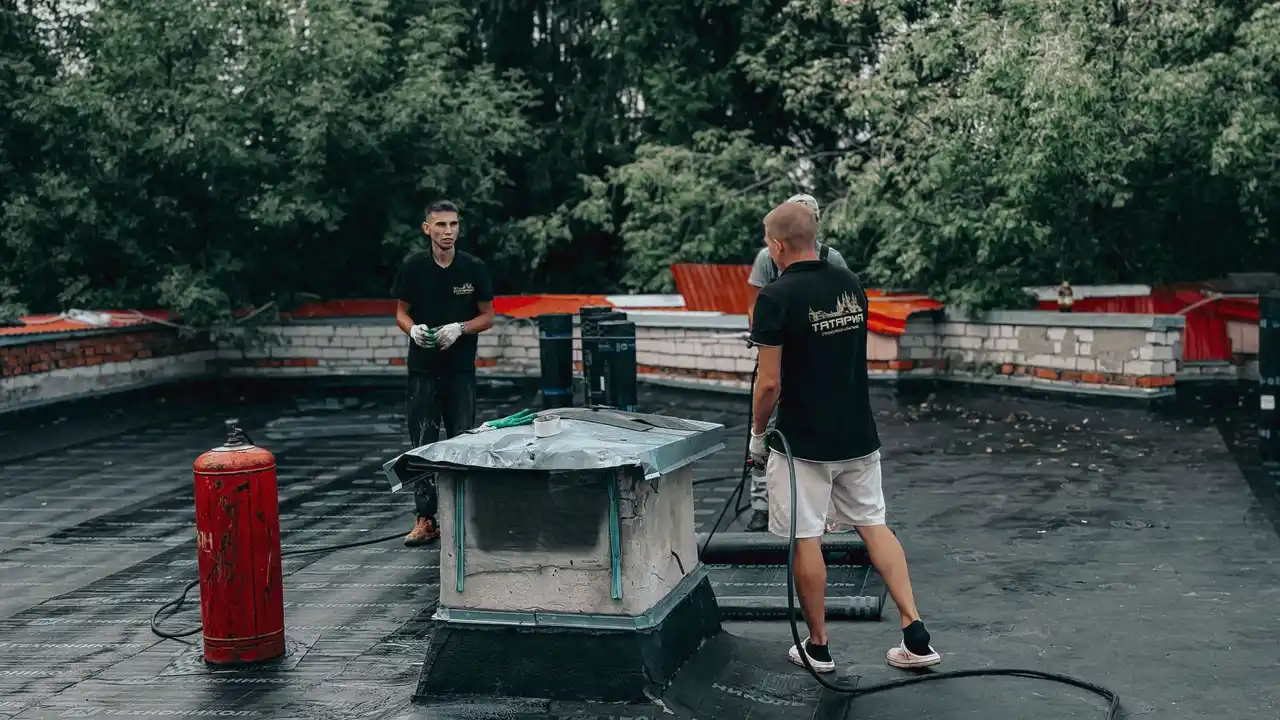
You call (936) 304-3062 and describe what you are seeing. We ask where the stain is, how long it has been there, and whether it is actively dripping. That tells us whether you need emergency tarping or a scheduled repair, and we give you a realistic arrival window.
On site, we walk the roof with a ladder stabilizer and roof safety harness, then check the attic side with a moisture meter and infrared thermal imaging camera. A roof inspection drone covers steep or two-story sections we cannot safely walk. This usually takes 45 to 60 minutes.
We water-test the suspect penetration with a hose test kit while a second tech watches the attic side. That confirms the exact entry point instead of guessing. If two penetrations are suspect, we test both so you are not paying for a repair that misses the real leak.
We remove the failed boot or flashing with a pry bar, install the new pipe boot or step flashing, and seal it with roof cement or butyl tape matched to your roof type. Asphalt shingle, metal, tile, TPO, and EPDM each get their own detail. Most repairs take two to four hours.
We re-run the hose test on the finished repair and check the attic one more time before we pack up. You get photos of the before and after, plus a written warranty on the workmanship. We haul off the old materials and leave the roof clean.
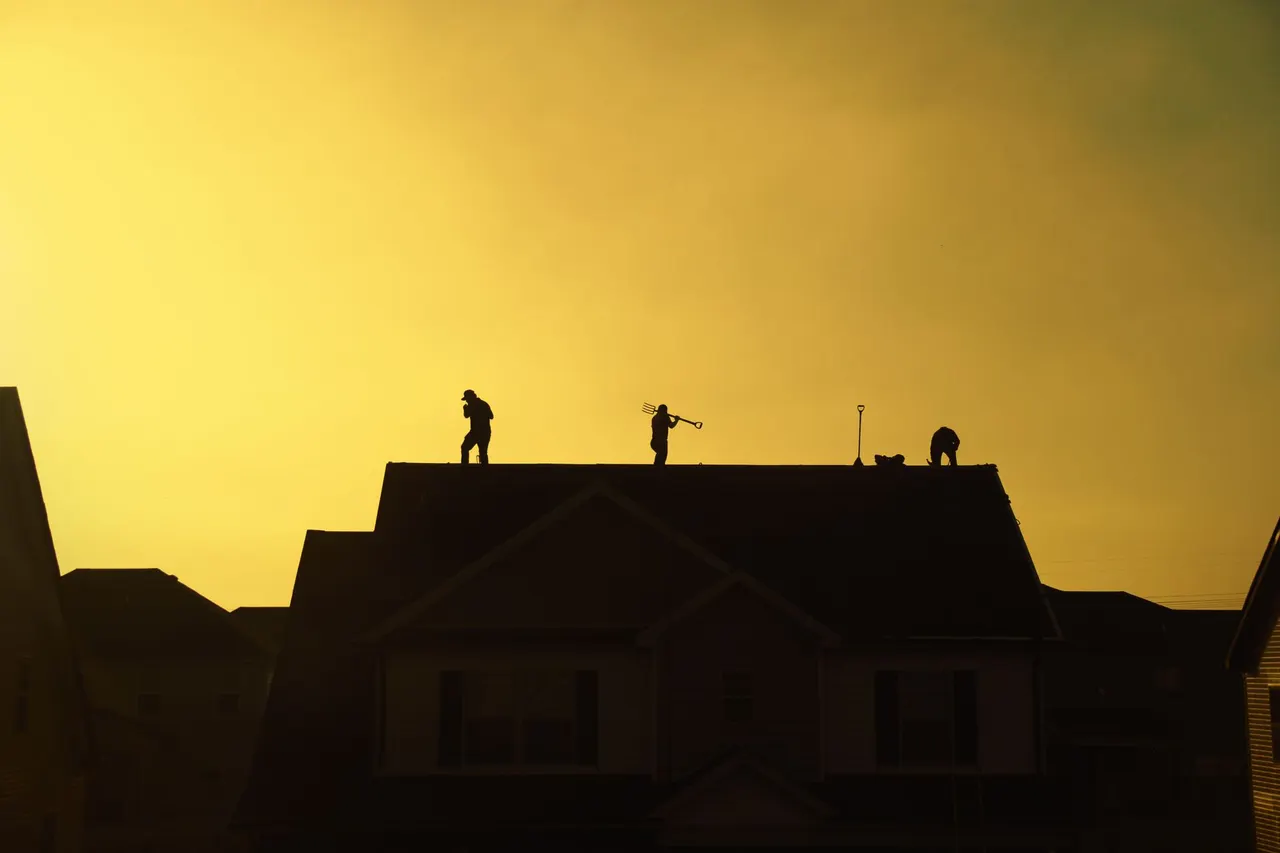
Reads moisture content in decking, insulation, and drywall so we can trace the leak path from the attic side instead of guessing from the stain.
Shows temperature differences where water is trapped in the roof assembly. It finds hidden moisture around penetrations that a visual inspection would miss.
Captures high-resolution images of steep or two-story roof sections we cannot safely walk. It lets us inspect every penetration without putting a tech at risk.
Delivers controlled water to a specific penetration while a second tech watches the attic side. This confirms the exact leak point before we start the repair.
Used to lift shingles and flashing without tearing them, and to apply sealant precisely at the penetration base. Clean removal is what makes the new flashing sit flat.
Keeps ladders secure and techs tied off while working at the penetration. Safety gear is not optional on a two-story Conroe roof.
Fastens new flashing, boots, and shingles at the correct depth and pattern so the repair matches the surrounding roof and holds under wind uplift.
We isolate one penetration at a time and run water over it for several minutes while a tech watches the attic. If moisture appears, we have our leak. If not, we move to the next suspect. This method eliminates the guesswork that leads to repeat callbacks.
Every penetration repair follows NRCA published flashing details for the roof type. That means correct lap direction, proper fastening, and compatible sealants. Following the standard is why our repairs pass inspection and hold through storm season.
We scan the roof deck and attic with an infrared thermal imaging camera to map where moisture has spread. That map tells us how far the damage goes and whether insulation or decking needs replacement along with the penetration repair.
We match the sealant and flashing material to the roof: Sika or Tremco for metal, heat-welded TPO patches for TPO, splice adhesive for EPDM, and roof cement or butyl tape for shingle. The wrong material fails fast, so we do not cut corners here.

We inspect the roof and attic, use a moisture meter and infrared camera to trace the water, and confirm the penetration with a hose test. Once we know the exact entry point, we repair the boot or flashing and water-test the finished work. The stain stops growing, the attic dries out, and you avoid a ceiling replacement. Most repairs are done in a single visit within two to four hours.
We check every penetration on the roof, paying close attention to pipe boots and vent stacks, and use the infrared camera to find trapped moisture in the decking. If we find a failing boot, we replace it and seal the base. You catch the leak before it stains the ceiling or grows mold. Replacing saturated insulation and a failed boot early keeps the cost in the low hundreds instead of thousands.
We do a full penetration inspection after the storm, document any hail damage for your insurance claim, and replace cracked boots and seals with new components. We can also tarp any active leak the same day. Your roof is sealed before the next storm, and you have photos and documentation if you file a claim. Most post-hail penetration repairs are completed within a day.
We inspect the flagged penetration, confirm whether it is actually leaking, and repair it if needed. You get a written summary and photos you can hand to the buyer or their agent. The repair is documented, the inspection objection is cleared, and the sale keeps moving. Most pre-sale penetration repairs are scheduled within 24 to 48 hours.
Conroe sits in Montgomery County where the climate swings from 100-degree summer heat to winter freezes, and that cycle is hard on penetration seals. Pipe boots crack from UV exposure, then a freeze opens the crack further. Afternoon thunderstorms and Gulf-driven rain push water sideways into flashing that would stay dry in a lighter rain. We also see hail that cracks boots and vent seals without tearing the shingles, so the leak starts at the penetration while the roof field looks fine. If you need emergency roof penetration leak repair Conroe TX same day, we keep slots open during storm season. Most of our Conroe work is on asphalt shingle roofs, but we also handle TPO and EPDM flat roofs on commercial buildings and metal roofs on rural properties out toward Willis and Montgomery.
Older homes with original pipe boots that have been through decades of heat cycles. Boot replacement is the most common repair we do here.
Mix of 1990s and 2000s subdivisions with shingle roofs. Chimney flashing and vent boot failures show up most after spring hail.
Newer construction near the Woodlands edge. We see HVAC curb and skylight penetration issues on two-story homes with complex rooflines.
Larger lots and some metal roofs. Metal penetration fasteners and neoprene washers dry out and need replacement every 10 to 15 years.
Expands and contracts flashing and sealant until it cracks. Pipe boots and roof cement fail fastest in this cycle, which is why we see so many boot leaks in August and September.
Cracks boots and vent seals without always damaging shingles. After a hail storm, we inspect every penetration, not just the roof field, because that is where the leaks start.
Water gets into a hairline crack, freezes, and widens it. A small seal failure in November becomes an active leak by January if it is not repaired before the first freeze.
Pushes water sideways into flashing laps that shed water in a straight-down rain. Wind-driven rain exposes poorly lapped step flashing and counter-flashing around chimneys and dormers.
A homeowner in Conroe 77304 had a spreading ceiling stain in the hallway. The pipe boot on the plumbing vent had cracked from UV exposure and was letting water run down the pipe into the attic. Insulation around the pipe was saturated and the decking was starting to soften.
We replaced the boot with a new GAF pipe boot, dried and replaced the wet insulation, and water-tested the repair. The ceiling stain stopped growing within a day. Total repair time was three hours and the cost came in at $320.
Maintenance: Check pipe boots every spring for cracking or pulling at the base. A $320 boot replacement now prevents a $2,000 decking and insulation repair later.
After a spring hail storm, a Woodlands homeowner noticed water running down the chimney into the attic. The step flashing had pulled away from the masonry and the counter-flashing was bent. Two rafters near the chimney had early rot.
We rebuilt the step flashing and counter-flashing with new metal, replaced the rotted rafter sections, and sealed the masonry joint. The repair took five hours and cost $1,150. A follow-up water test showed no moisture in the attic.
Maintenance: Have the chimney flashing checked after every hail event and reseal the masonry joint every three to five years. That keeps the repair holding for a decade or more.
A commercial building in Conroe 77301 had a ceiling tile stain under an HVAC unit. The TPO membrane had pulled away from the curb and the seam was open, letting water pool and seep into the building. The tenant had been putting a bucket under the ceiling tile for a week.
We cleaned the membrane, installed a heat-welded TPO patch around the curb, and re-sealed the flashing. The repair took four hours and cost $780. We pressure-tested the patch and confirmed the drain path moved water away from the penetration.
Maintenance: Inspect flat roof penetrations twice a year and after any major storm. Catching a lifted seam early keeps the repair in the hundreds instead of replacing the whole membrane section.
Most penetration leaks look the same on the ceiling but come from very different failures on the roof. Here are the ones we see most often in Conroe and how we handle them.
Water runs down the pipe into the attic, soaking insulation and staining the ceiling below. Left alone, the decking around the boot rots and the repair grows from a $250 job to a $1,500 decking replacement. We pull the old boot, check the pipe and decking for damage, and install a new GAF or Owens Corning boot sized to the pipe. The base gets sealed to the shingles and water-tested before we leave.
Wind-driven rain gets behind the flashing and runs down the chimney into the attic or firebox area. Repeated wetting cracks the mortar and can stain interior walls for years before you notice the source. We rebuild the step flashing, counter-flashing, and cricket with new metal, then seal the masonry joint with a flexible sealant. This is one of the most common penetration repairs we do in Conroe.
The glazing gasket and curb flashing dry out and crack, letting water drip directly onto the floor below. A small seal failure can ruin drywall, paint, and flooring in one storm season. We reseal or rebuild the skylight curb, replace the glazing gasket, and re-flash the curb-to-roof transition. If the skylight itself is cracked, we tell you straight and quote a replacement.
TPO and EPDM membranes pull away from the curb over time, and the seam opens. Water pools at the curb and finds its way into the building, often showing up as a ceiling tile stain far from the unit. We clean the membrane, apply a heat-welded TPO patch or EPDM splice, and re-seal the curb flashing. We pressure-test the repair and check the drain path so water moves away from the penetration.
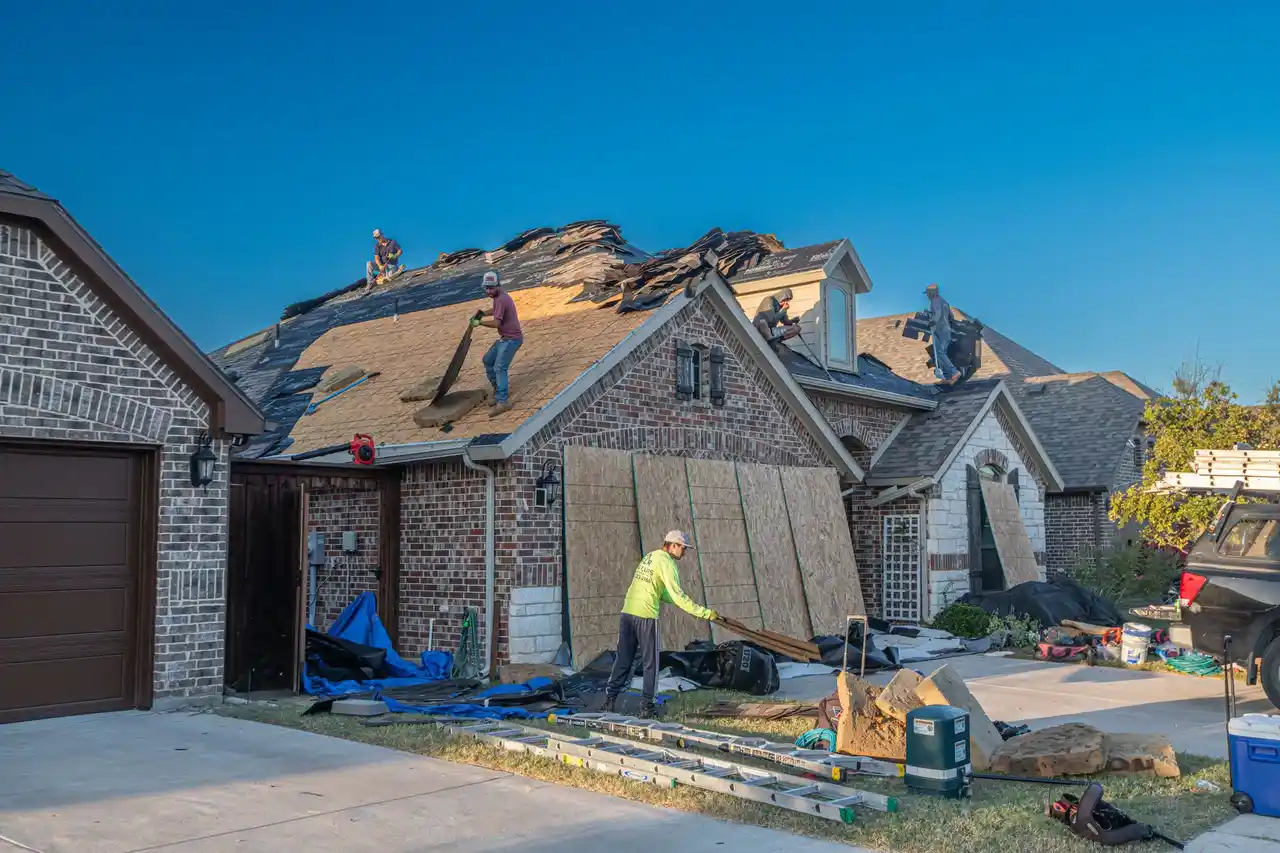
Our technicians carry HAAG Certified Inspector training and OSHA 10 and OSHA 30 cards, and we work to NRCA flashing standards on every penetration. We have repaired pipe boots, chimney flashing, skylight curbs, and vent stacks on shingle, metal, tile, and flat roofs throughout Montgomery County. That range matters, because a TPO membrane penetration and a tile roof vent boot fail for completely different reasons. We know both.
Most penetration repairs in Conroe run $180 to $650 in 2026, with a single pipe boot replacement at the low end and a chimney flashing rebuild at the high end. Flat roof penetrations on TPO or EPDM often land in the $350 to $900 range because of membrane work. You get the exact price before we start, and there is no charge for the estimate.
Roof Leak Repair Conroe Pros fixes pipe boot, vent, chimney, skylight, and HVAC curb leaks across Conroe and Montgomery County. We are a licensed, insured local crew with HAAG Certified Inspector training and GAF Master Elite credentials. Call (936) 304-3062 and we will trace the leak, confirm it with a water test, and repair it the same visit in most cases.
Active leaks can be stopped in the rain with emergency tarping and temporary sealant, but permanent flashing and boot work needs a dry surface. In Conroe we get afternoon storms most of the year, so we often tarp the same day and return within 24 to 48 hours to do the permanent repair. You are not left waiting with a bucket.
A single pipe boot or vent stack repair takes two to four hours including the water test. Chimney flashing and skylight curb work usually runs four to six hours. If we find rotted decking around the penetration, add a few hours for replacement. We tell you the expected window before we start so you can plan your day.
Not seeing your question? Our local team can help you understand urgency, scheduling and what to expect.
Ask the local team
When water shows up on your ceiling but you are not sure where it is entering, our roof leak repair service traces it from the attic side. We often find a penetration leak behind a stain that looked like a shingle problem.
View service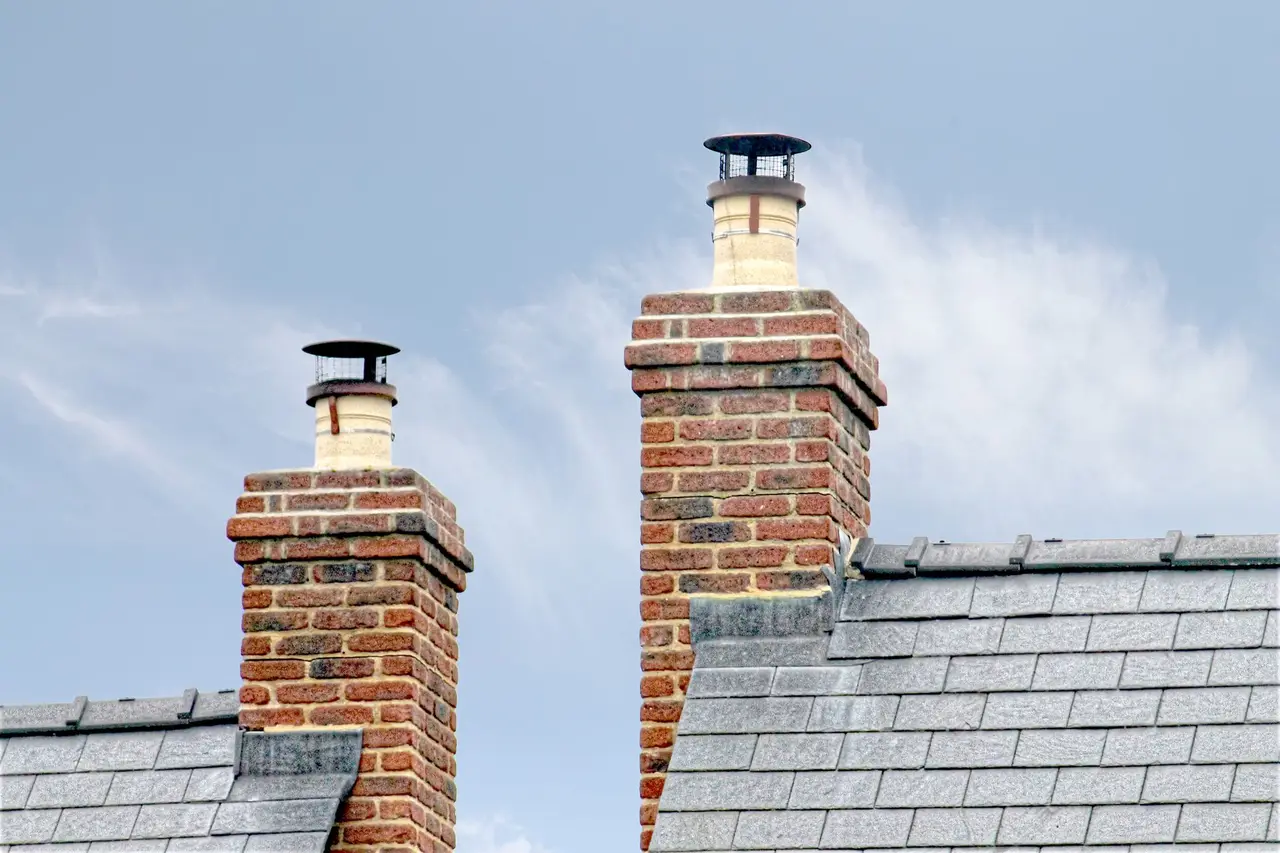
Penetration leaks sometimes come with torn shingles or damaged decking around the hole. Our roof repair crews handle the shingle work and the structural repair in the same visit so you are not scheduling two separate trades.
View service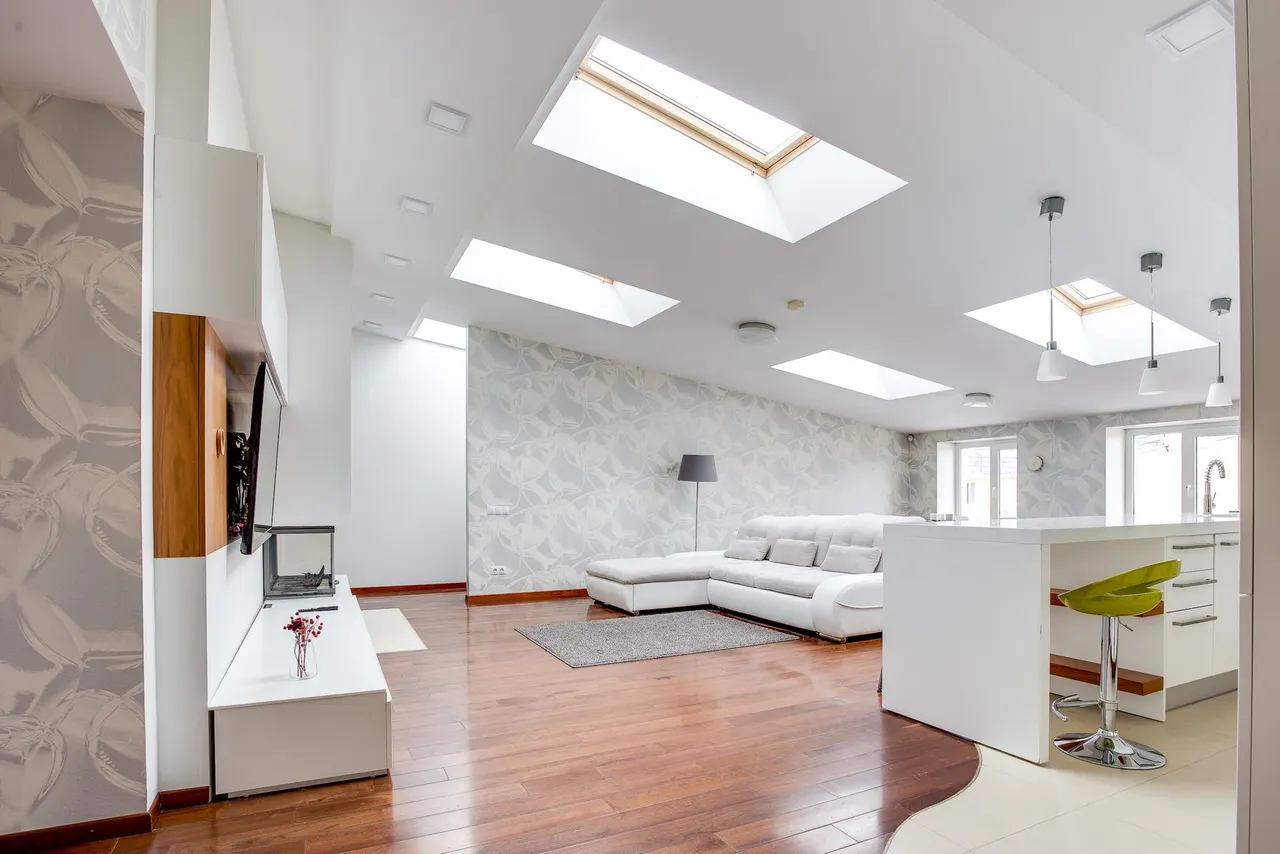
Hail and wind can crack shingles right next to a pipe boot, letting water in around the penetration. We replace the damaged shingles and re-flash the penetration together so the repair is watertight from edge to edge.
View serviceBefore we repair any penetration, we confirm the entry point with moisture meters, infrared thermal imaging, and hose testing. That detection step is why our penetration repairs hold instead of chasing the wrong spot.
View service
Call us at (936) 304-3062 any time, day or night. We answer live during business hours and our emergency line stays open 24/7 for active leaks. Most Conroe calls get a same-day inspection, and you will always get a written price before we start work.